
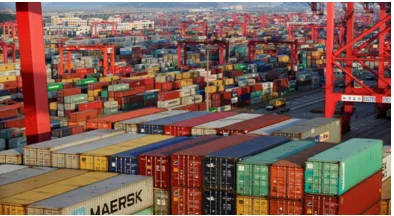
Pakistan has revised its B2B barter trade mechanism with Iran, Russia, and Afghanistan to boost regional trade and remove long-standing operational hurdles for businesses.
Simpler Procedures and Greater Flexibility
The Ministry of Commerce issued a new notification introducing key changes to simplify trade procedures. The revised framework allows businesses to import and export simultaneously, ending the old rule that required exports to be completed before imports.
Private companies can now form consortia to make transactions more efficient. The government has also extended the completion period for barter transactions from 90 to 120 days. Additionally, the restricted list of tradable goods has been removed, allowing a broader range of products to be exchanged under the updated mechanism.
Pakistan-Iran Trade Expected to Grow
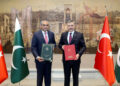
Pakistan’s Ambassador to Iran, Muhammad Mudassir Tipu, confirmed the move on X (formerly Twitter). He said a new Statutory Regulatory Order (SRO) had been issued after “an exhaustive process of deliberations” addressing concerns from traders in both countries.
He added that the new policy will strengthen Pakistan-Iran trade and help diversify the economic base, urging business leaders to take full advantage of the revised system.
Reforms Address Previous Challenges
The barter mechanism, introduced in June 2023, initially faced issues such as complex documentation, narrow product lists, and tight timelines. Traders also raised concerns about contract verification through Pakistani missions abroad and customs clearance delays.
In response, the Commerce Ministry held extensive consultations with the State Bank of Pakistan (SBP), Federal Board of Revenue (FBR), Ministry of Foreign Affairs, and Pakistan Single Window (PSW), alongside private sector representatives.
Economic Coordination Committee Approval
The Economic Coordination Committee (ECC) approved the amendments earlier this month, enabling a more practical and business-friendly framework. Officials said the reform supports Pakistan’s broader strategy to expand regional trade and reduce reliance on foreign currency transactions amid global financial pressures.
Related stories: