

Pakistan and Bangladesh are moving to boost food security trade ties as both countries deepen cooperation in agriculture and essential commodities.
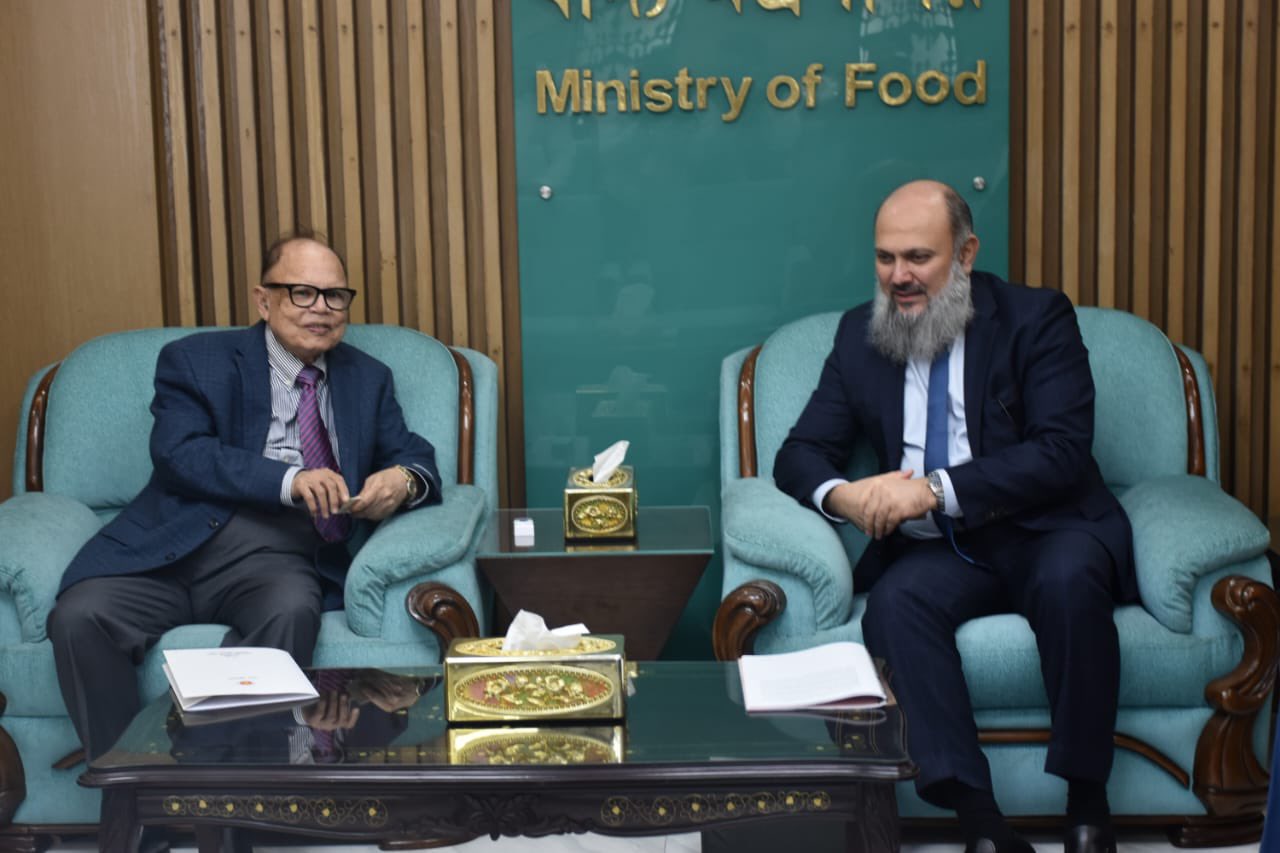
In Dhaka, Pakistan’s Commerce Minister Jam Kamal Khan met Bangladesh’s Adviser for Food, Ali Imam Majumdar, to review progress and explore new areas of collaboration. The meeting showed a growing recognition that both nations must work together to address food security challenges.
MoU on Rice Trade Sets Foundation
Both officials expressed satisfaction with the January 2025 Memorandum of Understanding (MoU) between Pakistan’s Trading Corporation and Bangladesh’s Directorate General of Food.
Under this MoU, Pakistan delivered 50,000 metric tons of rice to Bangladesh, marking a milestone in bilateral food cooperation. This agreement has opened the way for regular Government-to-Government (G2G) and Business-to-Business (B2B) exchanges, laying the foundation for stronger food security trade ties.
Invitation to FoodAg 2025 in Karachi
Looking ahead, Pakistan invited Bangladeshi stakeholders to join the 3rd International Food and Agricultural Exhibition (FoodAg 2025), scheduled for November 25–27 in Karachi.
The event will highlight Pakistan’s agricultural strengths, promote investment, and provide a platform for joint ventures in food production and processing. This initiative aims to strengthen Pakistan–Bangladesh food trade relations and create new opportunities for private sector engagement.
Focus on Technology and Modern Practices
Both sides underlined the importance of adopting modern farming methods, advanced technologies, and research collaboration to improve crop yields.
Better seed varieties, water management techniques, and knowledge exchange can help both countries meet rising food demand while reducing dependence on costly imports.
Shared Commitment for Future Cooperation
The Dhaka meeting concluded with a pledge to expand cooperation through joint efforts, regular dialogue, and multi-stakeholder partnerships.
As Pakistan and Bangladesh boost food security trade ties, this collaboration is expected to benefit not only both economies but also the wider South Asian region, which is struggling with food supply challenges.
Related stories: