

Famous anti-Japanese military camp discovered in NE China including 200 historical structures and various artifacts that were used by Chinese resistance against Japanese occupation.
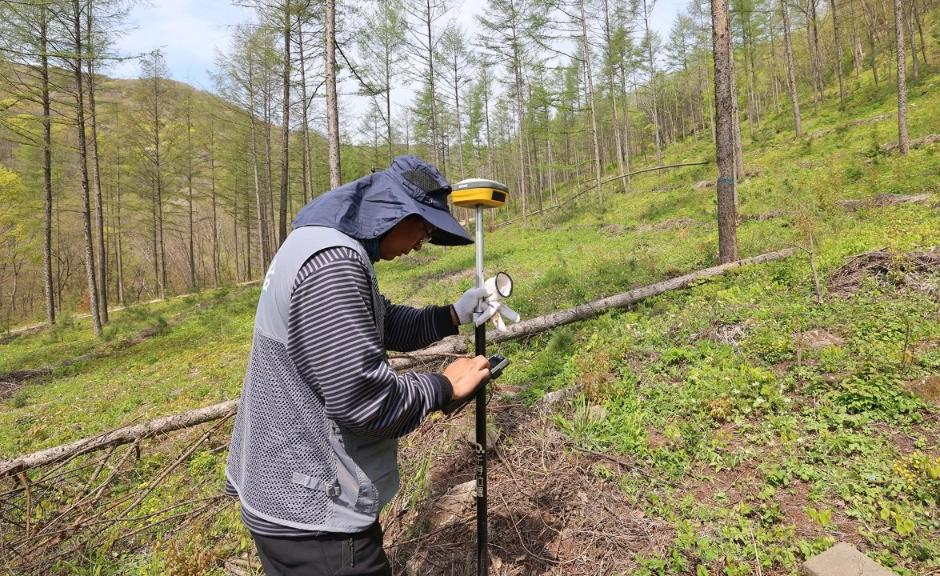
Archaeologists in Liaoning Province, northeast China, have uncovered the ruins of a historic military camp once used by anti-Japanese forces led by General Yang Jingyu, a prominent figure in China’s resistance against Japanese occupation.
The site was discovered during a recent archaeological survey by the provincial institute of cultural relics and archaeology near the upper Jiadaozi River in Benxi. It served as a command center for the first route army of the Northeast Anti-Japanese United Army.
The investigation documented 194 historical sites, including 50 residential structures and 22 storage units. Artifacts such as weapon fragments, ceramic pieces, and iron tools were also recovered.
The first route army was established in July 1936, with Yang Jingyu as both its commander and political commissar, playing a key role in the resistance movement.
According to the institute, the findings are of significant value for understanding the history and operations of the Northeast Anti-Japanese United Army.
Yang Jingyu was dispatched to northeast China in 1932 to fight Japanese forces and remained in combat until his death on the battlefield in 1940.
The discovery coincides with the 80th anniversary of the victory in the Chinese People’s War of Resistance Against Japanese Aggression and the global victory in the Anti-Fascist War.
Related Posts