
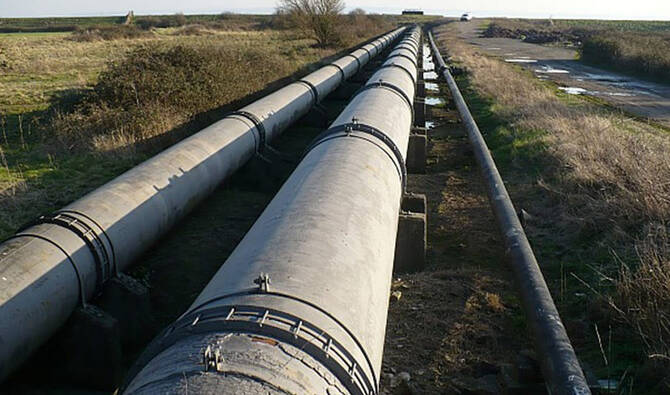
Pakistan is taking a massive step toward securing its energy future. To achieve this, the country’s top investment body greenlit a massive 435-kilometer pipeline project. This new pipeline will safely transport refined petroleum products directly from central Punjab to the northwestern Khyber Pakhtunkhwa (KP) region.
The government wants to boost energy security, slash high transportation costs, and consequently cut down on its heavy reliance on moving fuel by road.
The Power Behind the Pipeline Project
This major infrastructure project is officially named the Machike-Thallian-Tarru Jabba White Oil Pipeline. Crucially, Its approval was made possible through the Special Investment Facilitation Council (SIFC).
As a matter of fact, the SIFC is a powerful, government-backed body. It was specifically designed to speed up massive investment and infrastructure projects. In order to do this it smoothly coordinates between federal and provincial institutions to cut through bureaucratic red tape.
Connecting the Nodes
According to SIFC, the pipeline will link Machike a major oil storage hub near Lahore with Thallian near Islamabad. From there, it will stretch all the way to Tarru Jabba near Peshawar, the capital of KP.
Ultimately, this creates a dedicated, secure corridor for refined petroleum products right across a huge chunk of the country. Right now, Pakistan relies way too much on oil tankers on the road to move fuel between storage depots and cities. Unfortunately, road transport is more expensive, less efficient, and highly vulnerable to supply disruptions.
Conclsuively, this project establishes a vital south-to-north corridor. Finally, once it is up and running, it will minimize fuel losses and maximize the reliability of the country’s entire energy supply chain.
Pipeline fueling Economic Growth
The SIFC notes that the white oil pipeline has been a top priority for a while now. A formal memorandum of understanding has already been signed under its platform.
Beyond just moving fuel, the council expects the project to bring several massive benefits:
Job Creation: The construction and operation phases will create numerous employment opportunities for locals.
Modernization: It actively pushes Pakistan’s energy infrastructure into the modern era.
Investor Confidence: It proves to global markets that Pakistan can successfully execute large-scale, strategic investments.
The council wrapped up by stating that this success highlights their ongoing role in strengthening Pakistan’s business ecosystem. It unlocks fresh investments and accelerates the exact kind of infrastructure needed for long-term economic growth.
Read More Articles:
Pakistan Allocates Funds Under CPEC 2.0