
Ask anyone in Lahore or Karachi about the China-Pakistan Economic Corridor (CPEC), and you’ll get a range of views. But what does it actually mean for the people and communities along its route?
Earlier this year, we set out to find out. We put our reporter Danial Khan behind the wheel at Khunjerab Pass , which is the icy border crossing between Pakistan and China, nearly 4,700 meters above sea level, and sent him south, following the road through the country.
As we travelled, we looked beyond the big infrastructure projects to the people whose lives and livelihoods are connected to them. We wanted to explore the questions that matter most in everyday life, and see what CPEC looks like on the ground.
Not the conference talking points, but the real stories. There’s something about driving across the country that no amount of desk research can replace. You start getting answers to the questions people actually care about. Not the ones asked at conferences, but the ones that come up in everyday conversations.
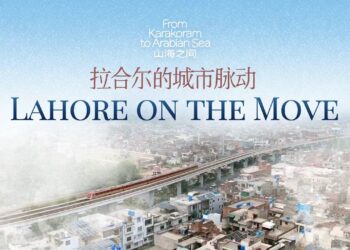
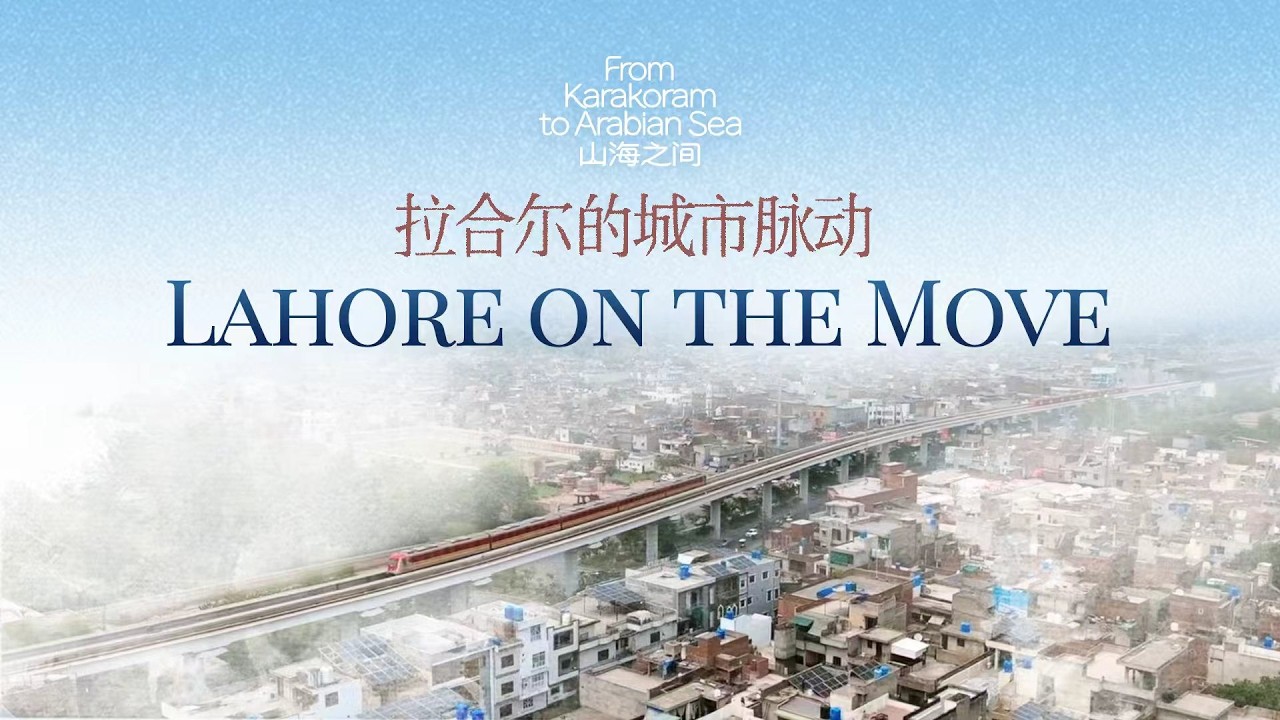
Does Lahore’s metro actually make a difference?
It does, especially during rush hour. We took a ride on the Orange Line, Pakistan’s first metro rail system, with its 26 stations. On board were office workers who no longer had to build their mornings around traffic jams. One of our favourite moments came in the driver’s cab, where a young woman was at the controls, doing a job that would have been unimaginable in Pakistan just a few years ago.
Who’s getting the jobs?
At textile factories in Faisalabad, workers are learning to operate Chinese-made looms and digital printing equipment. For some women, the training has opened doors to jobs on the production floor. Further north, at the Diamer-Bhasha Dam site, around 5,000 Pakistani, Chinese and international workers are helping build a 272-metre-high dam on the Indus River.
But the image that stays with us isn’t the scale of the construction. It’s the basketball court at the workers’ camp at dusk, where people from different countries come together for a game, with no questions asked about where they’re from.
Can farmers get their produce to market, and make a better living from it?
This was one of the most unexpected parts of the journey. Along the nearly 400-kilometre Multan-Sukkur Motorway, the longest completed road under CPEC, we met village women turning homemade desi ghee into a source of income, and mango growers using protective bags from China to keep pests away from their crops.
Then we saw refrigerated trucks carrying fresh produce to market along a highway that wasn’t there just a few years ago. Danial travelled part of the way in a Chinese truck bearing the logo marking 75 years of Pakistan-China friendship. It was the drivers who drew his attention to it.
Is the electricity situation really improving?
At the Quaid-e-Azam Solar Park in Bahawalpur, one of Pakistan’s largest solar power projects, we saw Chinese-built panels feeding electricity into the national grid. An impressive sight. But the more telling answer came a few kilometres away, in the city’s old jewellery bazaar. Artisans told Danial that more reliable electricity meant keeping their workshop lights on and getting more work done. That’s what a megawatt means in everyday life.
And then there were the stories that didn’t fit neatly into any of those big questions: a Chinese restaurant in Islamabad run by the same family for more than 50 years, where the owner chats with customers in several local languages; students at the Confucius Institute learning Mandarin for a straightforward reason — better career opportunities; and Lahore’s bustling bazaars, where Chinese-made goods have long since become part of everyday shopping.
We won’t pretend this journey was one uninterrupted success story. Neither does the series. What we set out to capture was not a verdict on CPEC, but a closer look at how it is playing out on the ground — through the experiences of the people who live and work along its route.
Danial wasn’t asking questions from the sidelines. This is his country, and its future is taking shape along the roads he travelled.
Some images have stayed with us. In Gilgit, there’s a cemetery where Chinese engineers who died during the construction of the Karakoram Highway decades ago are still remembered and cared for. It’s a reminder that the ties between the two countries go back much further than today’s infrastructure projects. Then there are the historic Silk Road forts of Hunza, standing against the mountains.
And somewhere along the way, we began to see CPEC differently. It’s not just a line on a map or a collection of major infrastructure projects. It’s also a jar of homemade ghee finding its way to market, a student learning Chinese to improve his career prospect, or a crate of mangoes arriving fresh after a long journey.
In the end, perhaps that’s the best way to understand development: not just by looking at what gets built, but by seeing what changes in people’s everyday lives.
So take the journey with us.
From Karakoram to Arabian Sea is a 12-part video series, with each episode running for around 20 minutes. Long enough to tell a proper story, but short enough to watch on your commute — ideally on Lahore’s Orange Line.
All episodes are available free on CGTN’s website (news.cgtn.com) and its YouTube, Facebook and X accounts, with new episodes released twice a week. The final two episodes, exploring Karachi’s ports and Gwadar, are scheduled to arrive by November 30.
Search for From Karakoram to Arabian Sea and start with episode one. The views from Khunjerab Pass alone make the trip worthwhile.
Read More Articles:
Iran and China Expand Natural Resources Cooperation