
Xi Jinping has proposed a four-point framework aimed at restoring peace and stability in the Middle East amid ongoing regional conflict and rising tensions.
The proposition emphasizes four core principles: peaceful coexistence, respect for national sovereignty, adherence to international law, and a balanced approach to development and security.
China stated that the initiative offers a practical path toward resolving regional crises. It also reflects growing international demand for dialogue, ceasefire, and long-term stability.
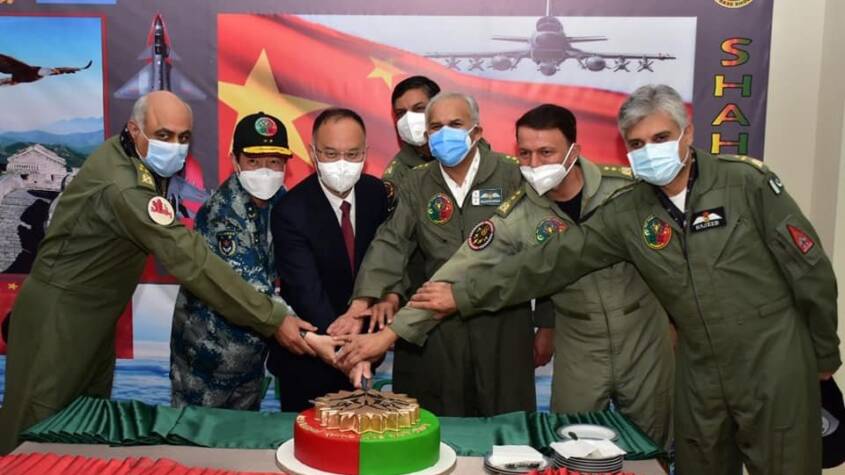
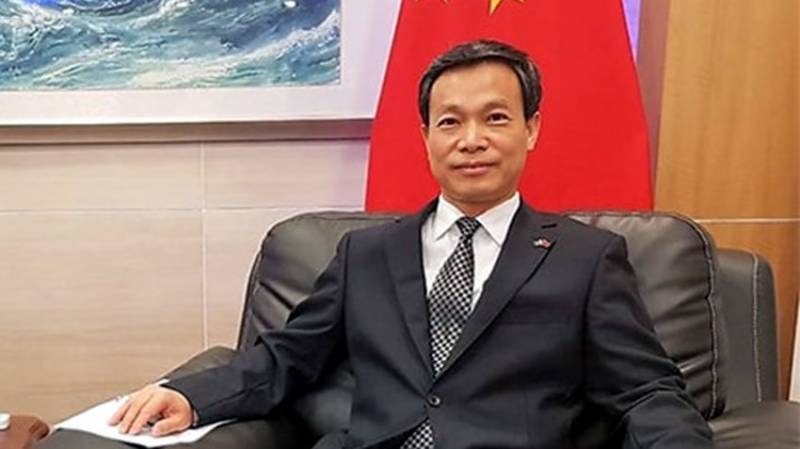
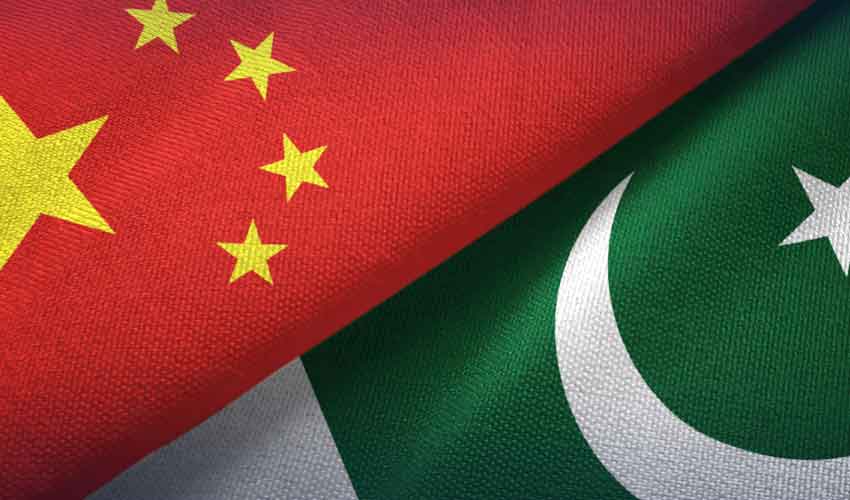
China and Pakistan have jointly supported this approach. Both countries continue to coordinate closely on diplomatic efforts aimed at promoting peace in the Middle East.
As all-weather strategic partners, the two nations have maintained regular communication on global and regional issues. They have consistently called for ceasefire and diplomatic solutions to ongoing conflicts.
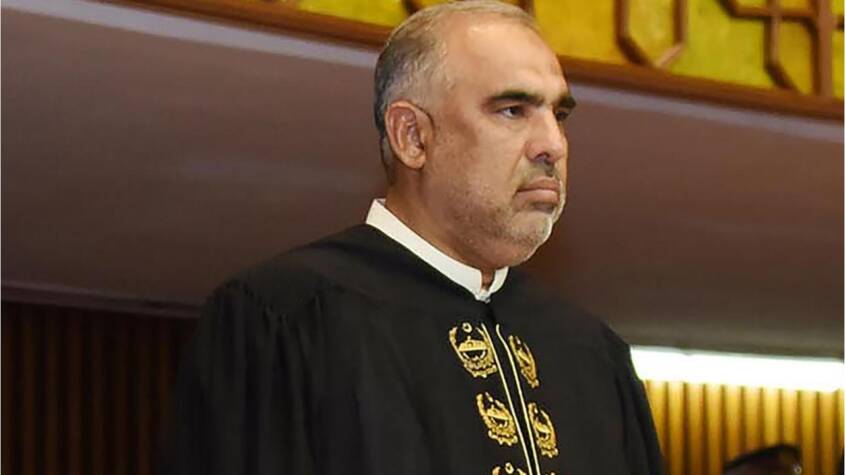
Pakistan’s leadership, including Prime Minister Shehbaz Sharif, Deputy Prime Minister Ishaq Dar, and military leadership, has actively engaged in peace efforts. These initiatives contributed to diplomatic dialogue and temporary ceasefire arrangements, along with hosting peace-related discussions in Islamabad.
Both sides also jointly issued a Five-Point Initiative for peace in the Gulf and Middle East region. The framework focuses on ending hostilities, protecting civilians, ensuring maritime security, and restoring dialogue.
China and Pakistan continue to emphasize that sovereignty must be respected and cannot be violated. They also stress that security and development must progress together to ensure long-term regional stability.
Under the China-Pakistan Economic Corridor (CPEC), cooperation is expanding into industrial development, agriculture, mining, and innovation. Both countries are working on upgraded phase projects to strengthen economic growth and regional connectivity.
Security cooperation is also being enhanced. China has reaffirmed support for Pakistan’s counter-terrorism efforts, while Pakistan continues to ensure the safety of Chinese personnel and projects within its territory.
The two countries also stress the importance of multilateralism and the role of the United Nations in maintaining global order. They support a rules-based international system and reject unilateral actions that undermine stability.
Both sides believe that development and security must reinforce each other. They aim to promote a cycle where development strengthens stability and stability enables development.
China and Pakistan stated that they will continue working with peace-loving nations to support dialogue and reduce tensions in the Middle East. Their goal is to contribute to long-term peace, stability, and shared global development.
Read More Articles:
Pakistan China diplomacy Middle East peace
Pakistan and China Call for Middle East Peace After High-Level Talks in Beijing