
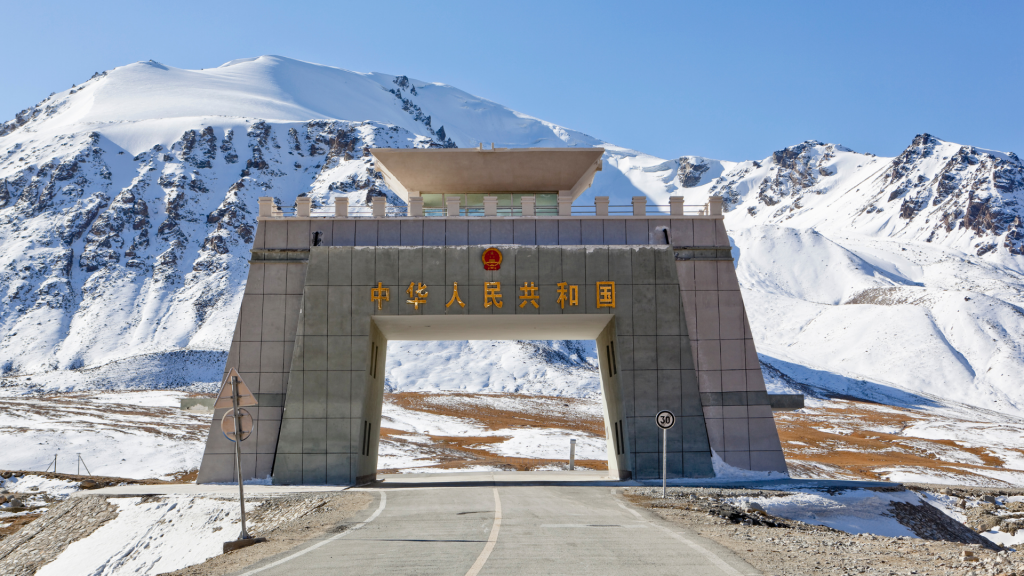
Pakistan is considering a special visa-on-arrival arrangement for Chinese tourists entering Gilgit-Baltistan through the Khunjerab Pass, potentially opening a new chapter in cross-border tourism along the China-Pakistan Economic Corridor.
The proposal was discussed at a high-level meeting of the Special Investment Facilitation Council in Islamabad on September 15. Officials are considering a pilot covering Hunza and Nagar districts, with the possibility of expanding the arrangement to the rest of Gilgit-Baltistan if the trial succeeds.
The proposal has not yet been implemented. Recommendations are due to move through the relevant ministries before a final decision by higher authorities. If approved, the policy would turn an existing trade and transport gateway into a more direct channel for Chinese tourism.
Why Khunjerab Matters
The Khunjerab Pass sits at an altitude of 4,693 metres and connects Pakistan’s Gilgit-Baltistan with China’s Xinjiang region through the Karakoram Highway. The National Tourism Portal describes it as the world’s highest paved international border crossing and identifies it as part of the CPEC network connecting the two countries.
The border has already become more accessible for travellers. In April 2025, Pakistan and China opened the Khunjerab crossing for year-round trade and travel, replacing the previous seasonal arrangement under which the pass generally operated from April to November.
That change created the physical conditions for greater movement. The next question is whether tourism policy can turn that access into sustained visitor flows.
A Tourism Market Already Looking Towards China
The latest proposal did not emerge in isolation. In March 2026, tourism organisations in Gilgit-Baltistan asked the federal government to allow Chinese tourists to enter through Khunjerab on arrival visas or special permits. Tour operators argued that Chinese visitors could help offset disruptions affecting Western tourist arrivals and support the region’s tourism economy.
The September proposal now gives that idea a formal government-level setting.
The scale of Gilgit-Baltistan’s tourism market also shows why the discussion matters. Official GB tourism data recorded 482,617 domestic tourist arrivals between January and June 2026, including 86,975 visitors in Hunza and 5,966 in Nagar. The department also recorded 13,715 foreign tourist arrivals during the same six-month period.
The proposed pilot would therefore target two districts that already receive substantial domestic tourism while testing a new international market.
The Economic Opportunity Is Local
The potential impact would extend well beyond the border crossing. Chinese tourists travelling through Khunjerab would require transport, accommodation, food, guides, local tours and other services. A sustained increase in visitors could therefore create demand for hotels, restaurants, transport operators, tour companies and small businesses across Hunza and Nagar.
The proposal also includes an administrative component. The Ministry of Inter-Provincial Coordination has suggested a one-window online system for no-objection certificates, while the GB Home Department is exploring a simplified process at Sost. The objective is to reduce the multiple steps currently involved in clearance.
That matters because tourism growth depends on more than a visa decision. Border procedures, security, transport reliability and the availability of tourism services all influence whether visitors choose a destination.
From Trade Corridor to Tourism Corridor
CPEC has traditionally been associated with roads, ports, energy and industrial infrastructure. But the Khunjerab proposal highlights another possible use of the corridor: people-to-people connectivity.
The border already carries commercial traffic between Pakistan and China. In the first half of 2025, Chinese authorities recorded 21,000 travellers at Khunjerab, a 110 percent year-on-year increase, according to figures reported by the Associated Press of Pakistan. The increase included Pakistani traders and cross-border tourists. Tourism could add another layer to that movement.
For Pakistan, Chinese visitors also represent a market that can be reached through an established land connection rather than relying entirely on international air travel.
The Bigger Question
The visa proposal is still at the approval stage. Its eventual impact will depend on how it is implemented and whether the supporting infrastructure keeps pace with visitor demand. But the policy direction is notable.
The Khunjerab Pass already connects China and Pakistan through one of the world’s most dramatic transport corridors. With simpler entry procedures, stronger tourism infrastructure and reliable border management, that route could serve more than the movement of goods.
It could also become a gateway through which Chinese visitors experience Hunza, Nagar and the wider landscape of Gilgit-Baltistan.
For CPEC 2.0, that raises a different question from the usual debate over cargo and investment: can a corridor built for connectivity also become a corridor for tourism and people-to-people exchange?
Read More Articles:
Polio Campaign Targets 35,664 Children in Gwadar
China’s Role in Pakistan-Iran Diplomacy Gains Strategic Weight