
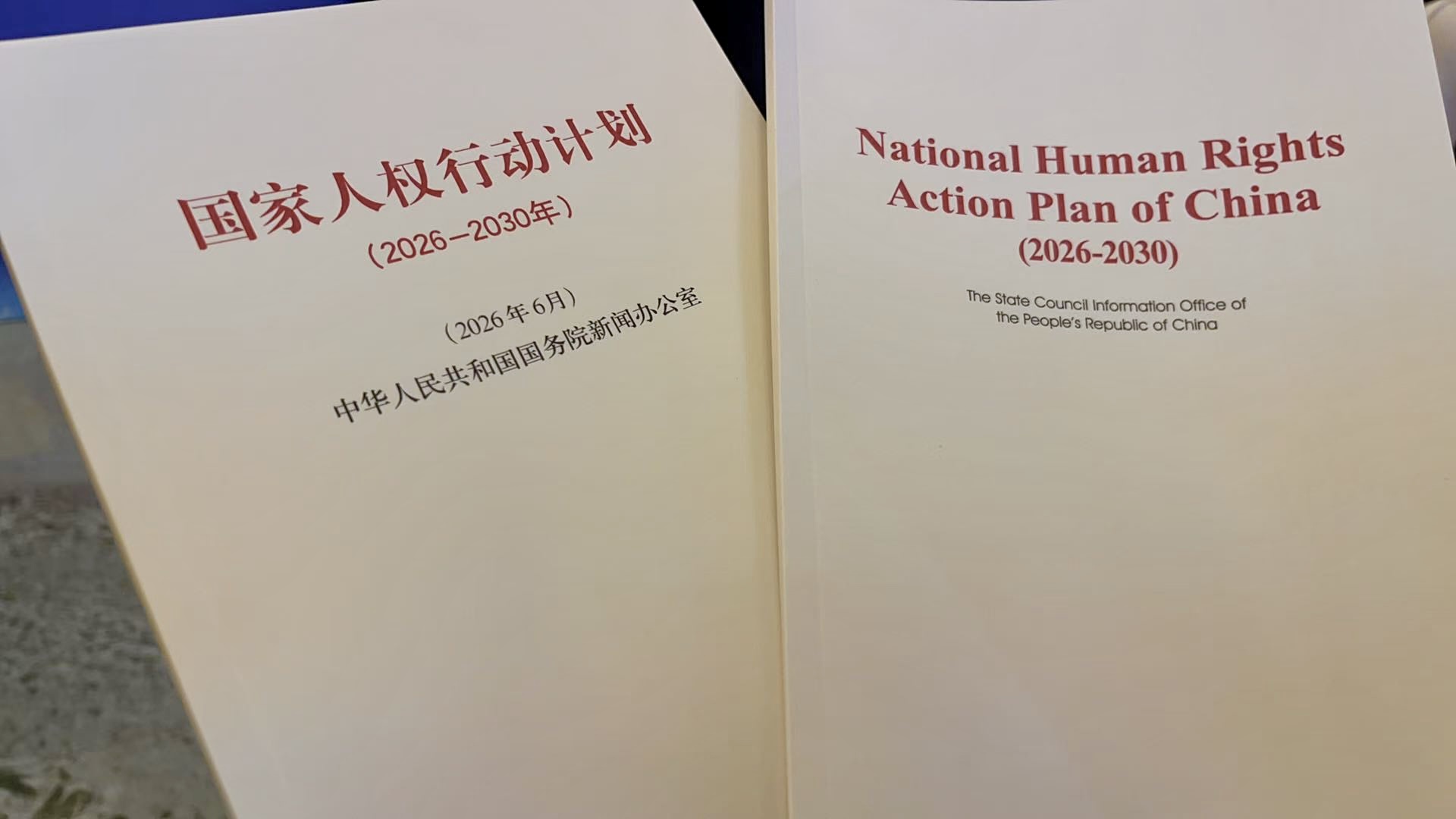
China has released its National Human Rights Action Plan (2026–2030) during the opening of the 2026 Forum on Global Human Rights Governance in Beijing. The plan outlines priorities for rights protection, development, and global cooperation over the next five years.
Focus on Economic and Social Rights
The action plan emphasizes improving economic, social, and cultural rights. In particular, it highlights poverty reduction, employment expansion, education access, healthcare, and social security systems. Moreover, it stresses ensuring that modernization benefits are distributed more fairly across society.
Strengthening Civil and Political Rights
Additionally, the plan calls for improving legal frameworks that protect civil and political rights. It promotes broader public participation in governance while strengthening legal safeguards across legislation, law enforcement, and judicial processes. As a result, authorities aim to enhance institutional transparency and accountability.
Environmental and Climate Commitments
Furthermore, the document highlights environmental protection as a core rights issue. It supports stronger pollution control measures and improved ecological governance systems. It also reaffirms China’s commitment to peak carbon emissions by 2030, linking environmental policy with long-term rights protection.
Protection of Vulnerable Groups
Meanwhile, the plan outlines stronger protections for ethnic minorities, women, children, the elderly, and people with disabilities. It also emphasizes gender equality policies and inclusive development strategies to support shared national progress.
Digital and Emerging Rights
In addition, the action plan addresses emerging human rights in the digital era. It encourages responsible use of digital technologies while promoting corporate accountability and ethical innovation in the tech sector.
Global Human Rights Cooperation
Finally, China commits to strengthening international cooperation on human rights governance. It supports multilateral engagement, UN participation, and dialogue with other countries to promote what it describes as a more inclusive and balanced global human rights system.