


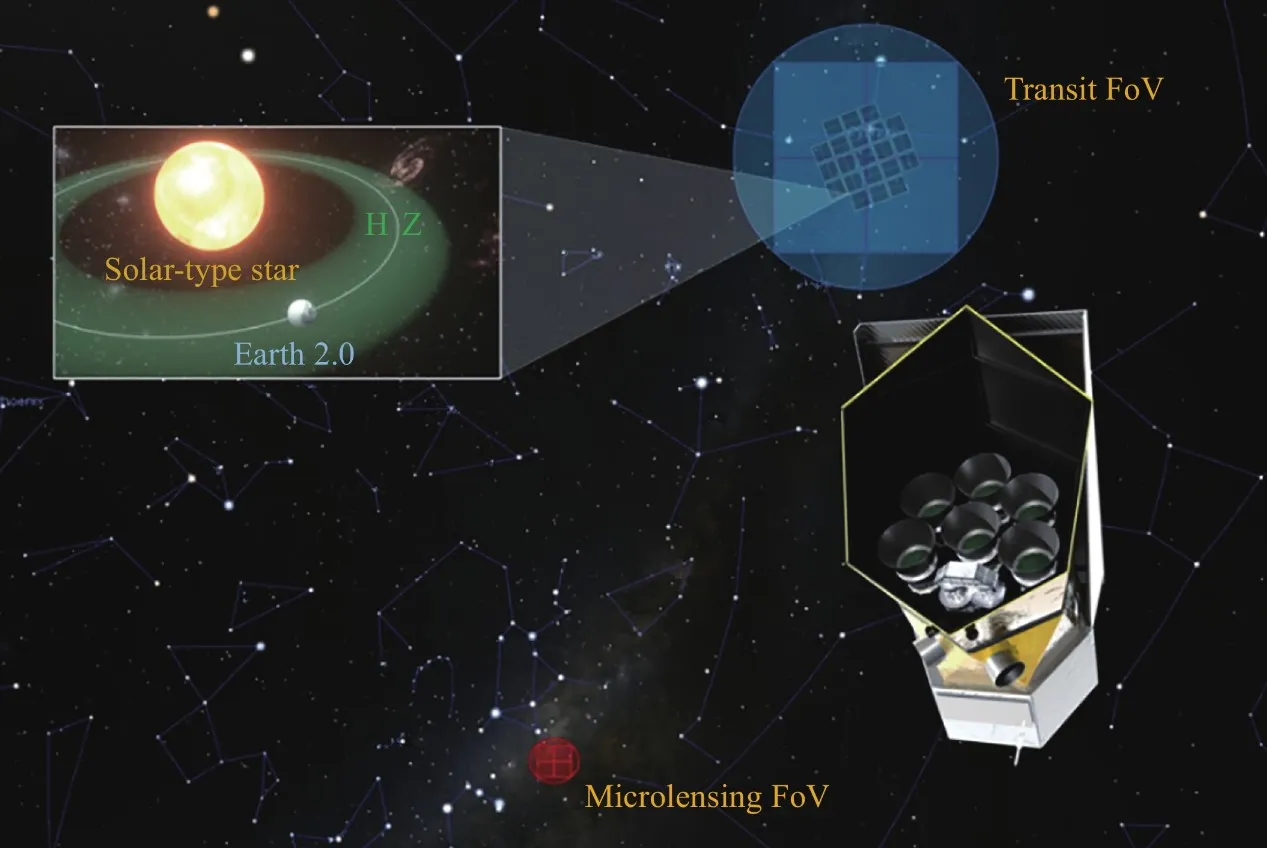
China is preparing to launch a series of ambitious satellite missions that will focus on critical questions such as the origin of life and the search for Earth-like planets, according to the National Space Science Center. Among the planned missions are the “Hongmeng Program,” the Kuafu-2 satellite, and an upgraded X-ray observatory, all aiming to find exoplanets in habitable zones around other stars. Scientists hope to detect biosignatures, key markers like ozone or methane , that could indicate life.
The Tianguan satellite mission, backed by China’s space agency, is expected to play a lead role in detecting X-ray bursts and potentially identifying distant Earth twins. Its technology will enable very sensitive measurements of planetary atmospheres to search for signs of water, oxygen, and other life-related molecules.
This phase of China’s space science campaign is part of its 15th Five-Year Plan (2026–2030), which places high priority on exploring extreme frontiers in space, from the dark ages of the universe to the magnetic cycles of the sun to the birthplaces of life. Through these missions, China aims to stake its claim as a major player in exoplanet science and astrobiology.
Related stories: