

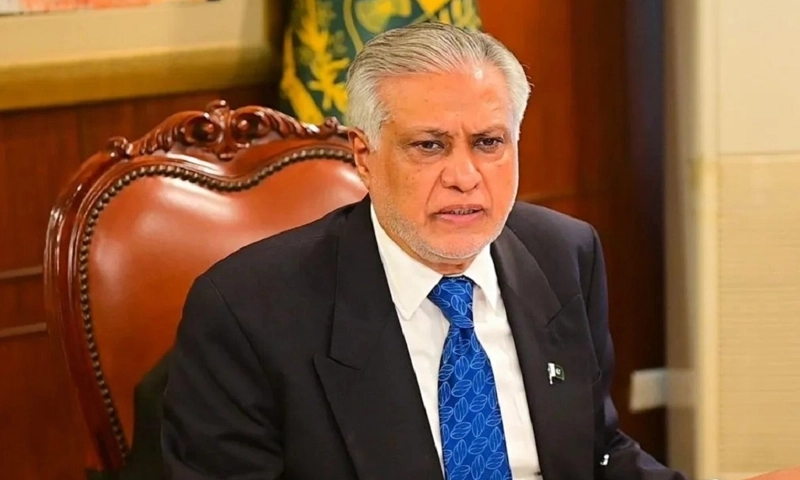
Call for Inclusive Dialogue
Deputy Prime Minister and Foreign Minister Ishaq Dar on Friday reiterated that Pakistan is open to holding comprehensive talks with India, stressing that any dialogue must include the long-standing Kashmir dispute. Speaking to reporters at Parliament House, he underlined that Pakistan would not accept a single-point agenda.
Background of Escalation
The statement comes months after the Pahalgam attack triggered the deadliest confrontation between the two nuclear-armed rivals in decades. India blamed Pakistan for the incident without presenting evidence, sparking days of clashes along the border.
In retaliation, Pakistan launched “Operation Bunyan-um-Marsoos”, targeting multiple Indian military sites. According to officials, six Indian fighter jets, including three Rafales, and dozens of drones were downed during the confrontation.
Ceasefire and U.S. Mediation
The conflict, which lasted nearly 87 hours, ended on May 10 after a ceasefire was announced. The truce was first revealed by U.S. President Donald Trump, who claimed Washington’s diplomatic intervention and pressure on both sides led to the agreement.
While India has downplayed Trump’s role, Pakistan acknowledged his efforts, even recommending him for the 2026 Nobel Peace Prize for helping defuse tensions.
Dar further revealed that the ceasefire request had initially come from the Indian side through the United States. “Pakistan never wanted war,” he said, adding that Islamabad had not sought foreign mediation but had been approached for neutral venue talks.
Future of Bilateral Relations
Dar stressed that Pakistan remains committed to peace but emphasised that Kashmir remains central to any negotiations. “Comprehensive talks with India must include all outstanding disputes,” he reiterated.
On a separate note, he confirmed that U.S. Secretary of State Marco Rubio currently has no scheduled visit to Pakistan.
Related stories:
Pakistan calls on UNSC to take concrete action on Kashmir dispute