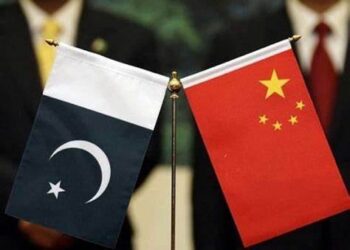

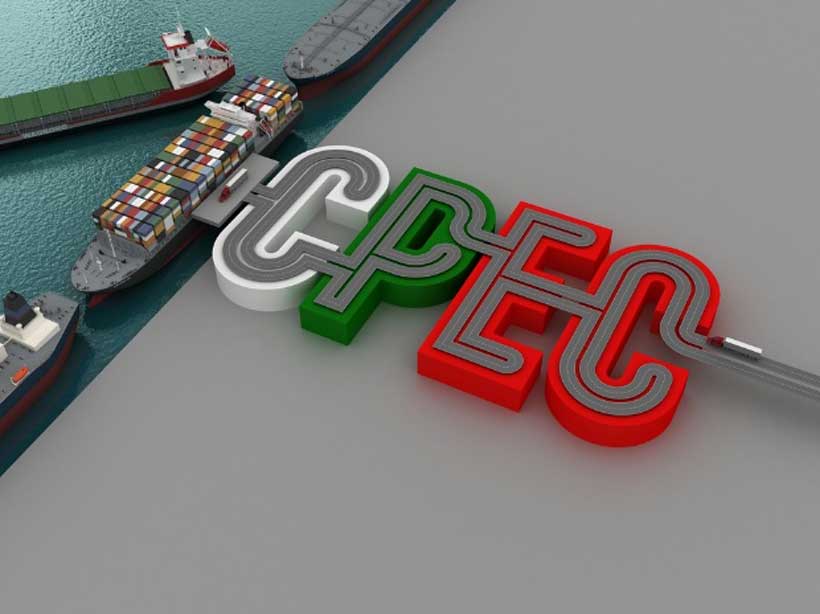
Pakistan’s Ambassador to China, Syed Ali Asad Gillani, has described the China-Pakistan Economic Corridor (CPEC) as a landmark example of mutually beneficial cooperation among Global South countries.
In an exclusive interview with Xinhua in Beijing, Gillani highlighted the project’s contribution of more than 8,000 megawatts of electricity, employment generation and infrastructure development across Pakistan.
He said Pakistan and China were now focused on advancing CPEC 2.0 as a corridor of growth, innovation, green development and openness, creating further opportunities for investment and business cooperation.
CPEC Has Transformed Pakistan’s Economic Landscape
Gillani said Pakistan-China relations had continued to strengthen over the past 75 years, expanding in both depth and scope. He described CPEC as a major expression of this longstanding partnership.
When the project began in 2013, Pakistan faced serious electricity shortages that affected livelihoods, industrial production and exports. However, energy and transport infrastructure projects completed during CPEC’s first phase helped improve the country’s energy supply and create broader business opportunities.
The ambassador said CPEC had contributed more than 8,000 megawatts of electricity to Pakistan. He also highlighted that a single project had generated as many as 25,000 jobs.
Gwadar Development Improves Local Livelihoods
Gillani cited Gwadar as an example of the wider impact of CPEC infrastructure development.
He recalled that Gwadar was once a small village. The development of its port has brought supporting facilities, including an airport, a hospital and vocational training programmes.
According to the ambassador, these developments have contributed to improving living standards for local residents.
He added that CPEC was transforming not only Pakistan’s economy but also the way people and communities connect with one another.
CPEC 2.0 to Focus on Growth and Innovation
Gillani said Pakistan and China had agreed to prioritize the high-quality development of CPEC and advance its next phase, known as CPEC 2.0.
The initiative aims to develop the corridor around growth, livelihoods, innovation, green development and openness.
He said the next phase would continue delivering practical benefits for both countries while creating new opportunities for Chinese investment, business partnerships and export diversification.
Pakistan also wants to expand its international connections and diversify export markets. Gillani said both countries could align their strategies and work together to achieve these objectives.
Pakistan Welcomes Chinese Investment
The ambassador said CPEC 2.0 held significant potential for bilateral cooperation and welcomed growing interest from Chinese entrepreneurs exploring business opportunities in Pakistan.
He described the partnership as a win-win proposition and stressed the importance of maintaining a long-term focus on shared development goals.
Gillani also expressed support for the four global initiatives introduced by Chinese President Xi Jinping and his vision of building a community with a shared future for humanity.
He said Pakistan-China friendship contributes to regional stability by promoting development and cooperation. Such a model, he added, is particularly important amid current global challenges.
Gillani concluded that stronger cooperation could support prosperity not only for the people of Pakistan and China but also for the wider region and the international community.
Read More Articles:
Ishaq Dar Meets Iranian Ambassador in Islamabad