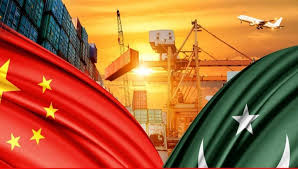

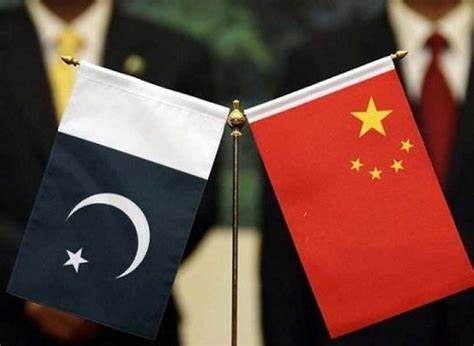
The China International Import Expo (CIIE) provides Pakistan with an important platform to promote its economic potential, highlight the achievements of the China-Pakistan Economic Corridor (CPEC) and attract international investment across emerging industries.
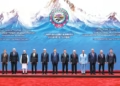
The ninth edition of the expo took place in Shanghai from November 5 to 10, 2026, bringing together international businesses, investors, policymakers and technology leaders. Organised as a major platform for international trade and market access, the CIIE connects overseas suppliers with Chinese buyers and offers opportunities to develop commercial partnerships.
This year’s event attracted 4,142 overseas exhibitors, with an exhibition area exceeding 440,000 square metres. More than 300 Fortune Global 500 companies and industry leaders were also expected to participate, highlighting the expo’s importance in international business engagement.
For Pakistan, the event represented an opportunity to move beyond traditional export promotion and present a broader investment proposition. With its strategic geographical position, natural resources, workforce and growing industrial ambitions, Pakistan has several sectors that could benefit from stronger international partnerships.
CPEC Provides a Foundation for Pakistan’s Investment Strategy
Over the past decade, CPEC has contributed to the development of Pakistan’s energy, transport and connectivity infrastructure. These investments have helped address important infrastructure constraints and created a foundation for further economic cooperation.
According to Pakistan’s CPEC Secretariat, approximately $25 billion in Chinese investment was made during the first phase of the corridor, while nearly 8,000 megawatts of electricity generation capacity was added to the country’s power system. The first phase also supported the development of major road infrastructure, energy projects and a fibre-optic network.
Gwadar Port and its associated infrastructure also form an important part of Pakistan’s regional connectivity ambitions. Its location along the Arabian Sea offers potential links between Pakistan, western China, Central Asia and international maritime trade routes.
These developments provide a foundation for attracting investment. However, Pakistan’s international economic engagement needs to focus increasingly on productive industries that can generate employment, increase exports, encourage technology transfer and strengthen domestic manufacturing.
This is where the next phase of CPEC, commonly known as CPEC 2.0, becomes particularly important.
CPEC 2.0 Opens Opportunities Beyond Infrastructure
CPEC Phase II aims to expand cooperation beyond large infrastructure projects towards industrial development, agriculture, minerals, technology, innovation and business-to-business partnerships.
Pakistan’s CPEC Secretariat identifies these sectors as important priorities for the corridor’s next phase. The government has also encouraged greater private-sector participation to turn bilateral cooperation into commercially viable investments.
The shift creates opportunities for Pakistani businesses to establish joint ventures with Chinese companies, improve production capabilities and integrate into regional and international supply chains.
The CIIE provides a suitable platform for presenting these opportunities to international investors. Instead of focusing exclusively on completed infrastructure, Pakistan can use such events to demonstrate how existing connectivity and industrial facilities can support new manufacturing and export-oriented businesses.
Agriculture Offers Strong Potential for Joint Ventures
Agriculture remains one of Pakistan’s most promising sectors for investment and technological cooperation.
The country produces rice, cotton, fruits, vegetables and other agricultural commodities. However, productivity, storage, processing and access to international markets require further improvement.
Chinese investment and technical expertise could support the modernisation of Pakistan’s agricultural sector through advanced machinery, precision farming, improved seed technology, modern irrigation systems and climate-resilient farming practices.
Food processing, cold-chain storage, packaging and agricultural logistics also offer opportunities for joint ventures.
These investments could help reduce post-harvest losses, improve product quality and increase the value of agricultural exports.
Agricultural cooperation is already an established part of the CPEC framework. The official programme identifies capacity building, agricultural product processing, technology extension, aquaculture, seed development and agricultural trade as areas for collaboration.
For Pakistani businesses, the CIIE also offers an opportunity to introduce agricultural products to Chinese buyers and understand the market’s requirements for quality, certification, packaging and supply reliability.
Minerals and Mining Can Support Industrial Development
Pakistan’s mineral resources offer another important area for investment, particularly as global demand for industrial and critical minerals increases.
However, the country’s strategy should extend beyond extracting and exporting raw materials. Greater value can be created through local processing, mineral refining, technology transfer and the development of downstream industries.
Chinese mining companies, equipment manufacturers and technology providers could contribute to exploration, processing facilities, technical training and modern mining operations.
CPEC 2.0 has already identified minerals as a priority sector for bilateral industrial cooperation. A joint consultative session held in April 2026 also discussed opportunities in minerals, agriculture, pharmaceuticals, construction materials, jewellery and other industries.
The CIIE can help Pakistani institutions and businesses connect with international mining companies and investors interested in long-term commercial partnerships.
Such cooperation should also prioritise environmental protection, responsible resource management and the development of local technical expertise.
Special Economic Zones Can Attract International Manufacturers
Industrial development should remain central to Pakistan’s investment promotion strategy.
Special Economic Zones (SEZs) established under CPEC offer opportunities for domestic and foreign companies to develop manufacturing facilities and establish industrial partnerships.
Pakistan’s Board of Investment identifies several priority zones, including:
- Rashakai SEZ in Khyber Pakhtunkhwa: Opportunities in light engineering, automotive production, construction and food processing.
- Dhabeji SEZ in Sindh: Potential for steel, automotive components, chemicals, pharmaceuticals, electronics, textiles and warehousing.
- Allama Iqbal Industrial City in Faisalabad: Opportunities in textiles, engineering, electronics, agricultural processing, steel and packaging.
- Bostan SEZ in Balochistan: Potential for fruit processing, agricultural machinery, minerals, gems, cold storage, pharmaceuticals and other industries.
These zones are designed to support industrialisation, investment and technology transfer.
Pakistani businesses can use international exhibitions such as the CIIE to present their manufacturing capabilities, workforce and potential access to regional markets.
Priority industries include textiles, engineering, pharmaceuticals, surgical instruments, sports goods, automotive components, electronics and light manufacturing.
However, attracting investors will require reliable utilities, efficient logistics, consistent policies, transparent procedures and a business environment that supports long-term operations.
Digital Innovation and Technology Cooperation
Digital transformation represents another promising area for Pakistan-China cooperation.
China has developed substantial capabilities in artificial intelligence, e-commerce, telecommunications, digital infrastructure and smart manufacturing. Pakistani technology companies, startups and research institutions can benefit from partnerships that support knowledge exchange, investment and skills development.
Potential areas include AI applications, digital services, cross-border e-commerce, fintech, software development, telecommunications and industrial automation.
The CIIE provides opportunities for technology businesses to connect with Chinese companies, explore commercial partnerships and introduce innovative products and services to a wider market.
Cooperation in research, vocational education and professional training could also strengthen Pakistan’s digital workforce.
Such partnerships would help the country develop local technological capabilities rather than relying exclusively on imported products and services.
Renewable Energy and Green Investment
Energy cooperation has been an important component of CPEC’s first phase. The next stage can build on this foundation by attracting investment in renewable energy, energy storage, electricity transmission and industrial energy efficiency.
Pakistan’s growing energy requirements create opportunities for companies involved in solar and wind power, battery manufacturing, smart grids and electric mobility.
Chinese companies could support these developments through joint ventures, technology transfer and local manufacturing arrangements.
The expansion of domestic production capabilities would also create employment opportunities and strengthen Pakistan’s industrial base.
Green investment can further support the country’s efforts to improve energy efficiency, reduce environmental pressures and develop more sustainable industrial systems.
Strengthening Pakistan’s Export Presence in China
The CIIE is not only an investment platform. It is also an important opportunity for Pakistani exporters to increase their presence in the Chinese market.
Pakistan can promote products such as rice, seafood, fruits, processed foods, textiles, leather goods and surgical instruments to Chinese buyers and international distributors.
However, successful market access requires more than product promotion. Pakistani exporters need to meet quality standards, improve packaging, ensure reliable supply and comply with Chinese import regulations.
Greater attention should also be given to certification, product traceability, cold-chain logistics and distribution networks.
Building long-term commercial relationships with Chinese importers can help Pakistani businesses move beyond occasional export orders and establish a stronger presence in the market.
The CIIE’s role in connecting overseas suppliers with Chinese buyers makes it particularly relevant to this strategy.
Private-Sector Participation Is Essential
Pakistan’s engagement with international investment platforms should extend beyond government-level presentations.
Provincial governments, chambers of commerce, business associations, industrial enterprises, universities and technology startups should participate in a coordinated investment promotion strategy.
A comprehensive national presentation should include credible investment proposals, project feasibility information, available industrial facilities, policy incentives and opportunities for public-private partnerships.
Business-to-business meetings are equally important. They allow Pakistani companies to identify potential partners, discuss commercial requirements and explore joint ventures.
Recent Pakistan-China investment engagement demonstrates the potential of this approach. At the fifth Pakistan Investment and Business Environment Exchange Forum in Guangzhou in September 2026, five memoranda of understanding were signed in sectors including electric vehicles, battery manufacturing, construction materials, furniture, pine nuts, and medical and business tourism.
Such engagements can complement CPEC by encouraging private investment and expanding commercial cooperation beyond government-led infrastructure projects.
Turning CIIE Engagement into Long-Term Investment
The ninth CIIE has concluded, but the broader opportunity for Pakistan-China economic cooperation continues.
CPEC has established an important foundation through investments in energy, transport and connectivity. The next challenge is to translate this infrastructure into stronger industrial capacity, higher exports, technological development and sustainable employment.
Pakistan needs a proactive and commercially focused investment strategy that identifies viable projects, addresses investor concerns and strengthens coordination between federal and provincial institutions.
Investors also require predictable regulations, transparent approval procedures, reliable infrastructure and effective mechanisms for resolving business-related issues.
By strengthening these conditions, Pakistan can attract greater interest from Chinese companies and investors from other participating countries.
The connection between CIIE and CPEC represents a mutually beneficial opportunity. CPEC provides the infrastructure and cooperation framework, while the CIIE offers access to international businesses, Chinese consumers and potential investment partners.
Ultimately, Pakistan’s objective should extend beyond showcasing traditional products or promoting individual infrastructure projects. It should focus on building lasting partnerships, developing value-added industries and integrating domestic businesses into international supply chains.
With stronger investment facilitation, private-sector participation and a clear focus on productive sectors, Pakistan can build on CPEC’s achievements and turn its economic potential into sustainable growth.
Read More Articles:
BRI and GGI Shape a New Vision of Global Governance
Pakistan, China Launches Digital Marketing Training for Youth