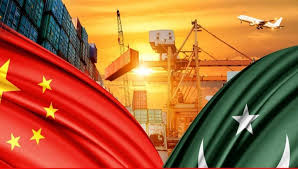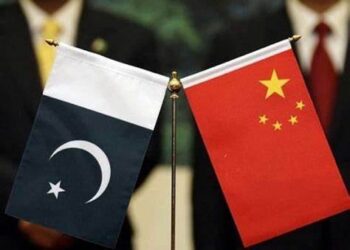

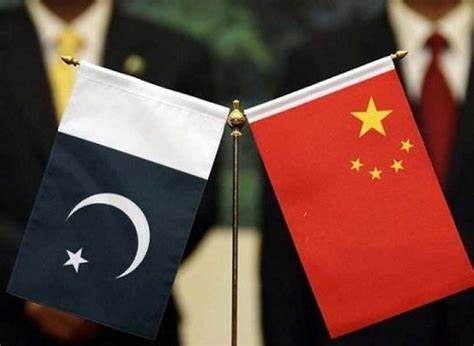
Pakistan and China’s Xinjiang Province have identified opportunities for joint ventures and investment in agriculture, textiles, food processing, livestock and manufacturing.
The opportunities emerged during a meeting between a visiting Chinese delegation and the Lahore Chamber of Commerce and Industry (LCCI). Both sides emphasized stronger business-to-business engagement and cooperation in technology transfer, cross-border e-commerce, tourism and regional connectivity.
Xinjiang Delegation Proposes Four Areas for Cooperation
Leading the Chinese delegation, Ha Zengyou said government-level agreements could achieve their full potential when businesses turn them into practical economic projects.
He noted that Xinjiang Production and Construction Corps (XPCC) and Lahore had complementary industrial strengths and supply chains, creating opportunities for closer commercial cooperation.
Ha outlined four priority areas: agriculture and food processing, textiles, new trade channels, and connectivity and infrastructure.
He said Pakistan had strong potential in fruits, vegetables, seafood, berries and nuts. In return, XPCC could contribute expertise in modern farming, livestock management, food processing and cold-chain facilities.
He also highlighted Pakistan’s cotton spinning and weaving capabilities alongside Xinjiang’s integrated textile industry. He proposed stronger industrial links between businesses in both regions.
The XPCC would also help Pakistani companies understand Chinese policies, customs requirements and taxation procedures.
LCCI Calls for Stronger Business Partnerships
LCCI President Ali Hussam Asghar said Pakistan and China should translate their longstanding friendship into stronger investment and commercial partnerships.
He identified water-efficient farming, improved cotton productivity, food processing, packaging, cold-chain infrastructure and halal meat production as promising areas for joint ventures.
Asghar also invited Chinese investors to explore industrial estates and CPEC Special Economic Zones in Punjab. He highlighted the province’s skilled workforce and access to major markets.
LCCI Senior Vice President Sardar Usman Ghani proposed establishing a Chinatown in Lahore with security arrangements and essential facilities for Chinese professionals, investors and businesses.
Former LCCI President Shahzad Ali Malik urged Pakistan to benefit from Xinjiang’s experience in cotton cultivation, seed development and irrigation.
He said Pakistan’s cotton production had declined from a historical level of around 15 million bales to between five and six million bales, increasing the country’s reliance on imports from the United States and Brazil.
Ethiopia Invites Pakistani Businesses to Invest
Separately, Ethiopian Ambassador to Pakistan Dr Oumer Hussien Oba invited Pakistani businesses to explore trade and investment opportunities in Ethiopia.
Speaking at the LCCI, he described Ethiopia as a strategic gateway to African markets, highlighting its competitive energy costs, industrial infrastructure, investment incentives and expanding economy.
The ambassador said Ethiopia had a population of more than 130 million and offered opportunities for Pakistani investors in manufacturing, pharmaceuticals, textiles and other industrial sectors.
He added that Ethiopia was opening more sectors to international investment. He also assured businesses that efforts were underway to address regulatory challenges faced by Pakistani pharmaceutical companies.
The discussions highlighted opportunities for Pakistani businesses to expand their international partnerships through cooperation with Chinese companies in Xinjiang and investment in Ethiopia.
Read More Articles:
Gillani Calls CPEC a Model of Global South Cooperation