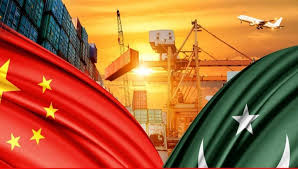

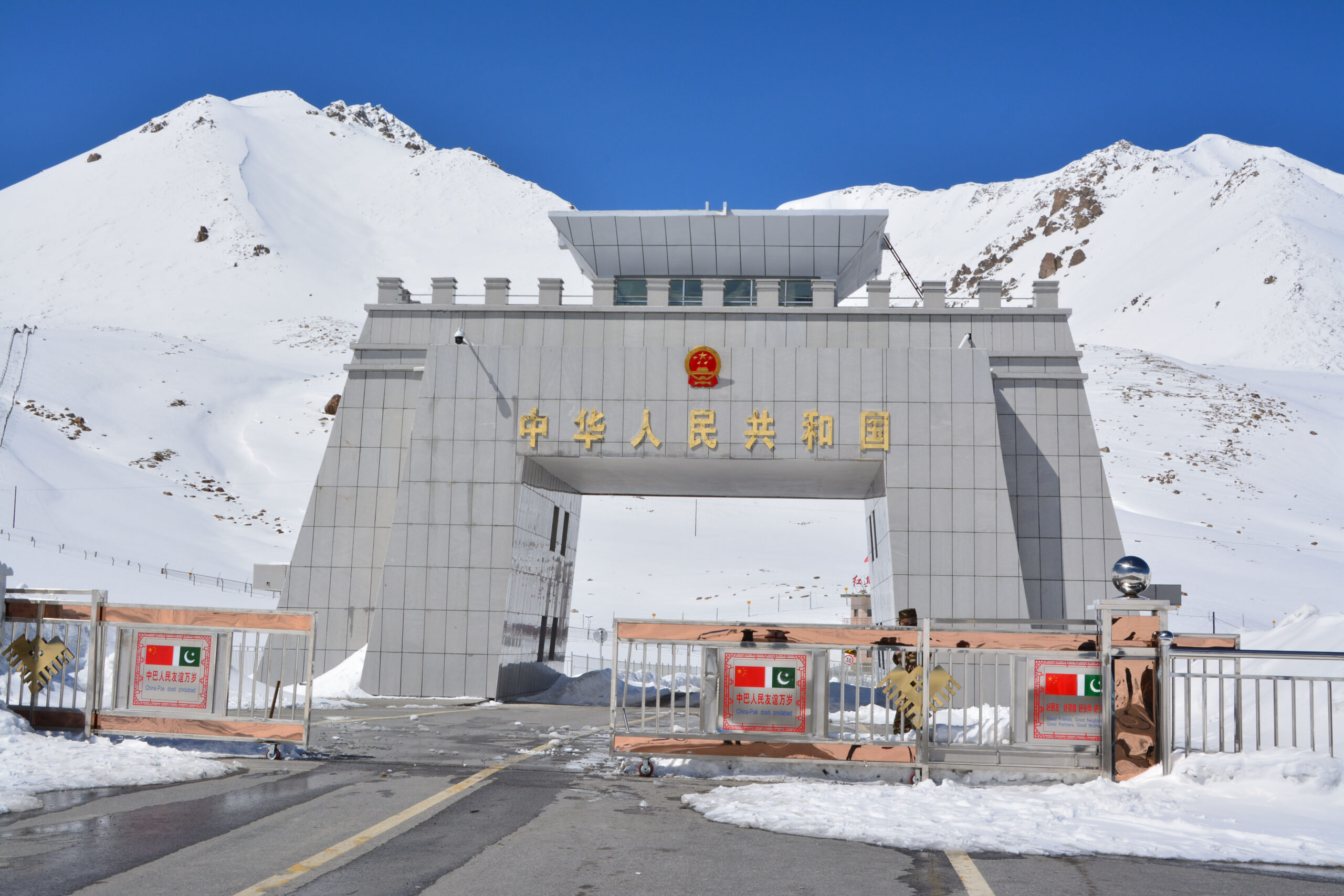
Pakistan and China have signed a trade facilitation agreement to speed up the movement of eligible agricultural goods through the Sost-Khunjerab border crossing.
The new green channel will give qualifying agricultural consignments priority during customs clearance and inspection. As a result, traders could face fewer delays when transporting fruits, vegetables and other perishable products.
The agreement marks another step towards stronger economic connectivity between Pakistan and China, particularly along the trade route linking Gilgit-Baltistan with China’s Xinjiang region.
Green Channel to Support Agricultural Trade
Under the agreement, both countries will give preferential customs treatment to agricultural products on a mutually approved list. Customs officials will prioritise the processing and examination of eligible shipments.
However, the arrangement will not eliminate inspections. Instead, authorities will streamline procedures while maintaining risk-based controls and compliance with relevant regulations.
Pakistan and China have also agreed to improve customs information exchange and share risk alerts. This coordination will help officials identify potentially problematic shipments without unnecessarily delaying legitimate trade.
The initiative aims to reduce clearance bottlenecks, support agricultural businesses and improve the movement of goods across the border.
FBR Hosts Agreement Signing Ceremony
The agreement was finalised during a virtual ceremony hosted by Pakistan’s Federal Board of Revenue (FBR).
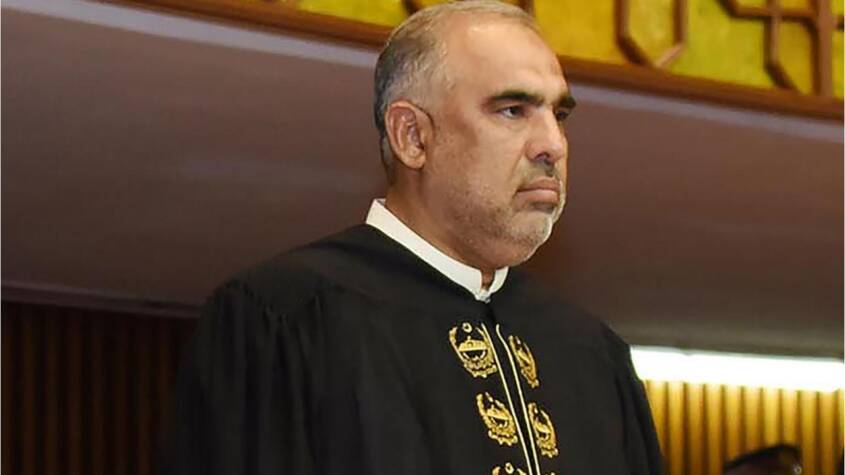
Member Customs (Operations) Syed Shakeel Shah led the Pakistani delegation. Li Qinghua, deputy head of Urumqi Customs and director of Tashkurgan Customs, headed the Chinese delegation.
Pakistan’s delegation included customs officials and representatives from agricultural regulatory and trade facilitation bodies. Participants included the chief collector of customs, Peshawar, and the collector of customs, Gilgit-Baltistan.
Representatives from the Department of Plant Protection, NAFSA, Pakistan Single Window and the Ministry of Commerce also participated.
Khunjerab Trade Records Billions in Customs Revenue
The agreement comes amid growing commercial activity along the Khunjerab trade route.
According to the reported figures, Pakistan Customs collected a record Rs15 billion in revenue from Chinese imports through Khunjerab last year. Meanwhile, exports worth approximately Rs2.8 billion moved through the crossing towards China and Central Asian countries.
Faster customs clearance could help Pakistani agricultural exporters improve access to regional markets. In particular, businesses dealing in fresh produce could benefit from shorter waiting times and more predictable delivery schedules.
Nevertheless, the results will depend on which products qualify for the green channel and how effectively customs agencies implement the new procedures.
Khunjerab Pass Presents Unique Trade Challenges
Khunjerab Pass connects Pakistan’s Gilgit-Baltistan region with China’s Xinjiang region. Located at approximately 15,500 feet above sea level, it is widely recognised as the world’s highest paved international border crossing.
Despite its strategic importance, the route faces difficult operating conditions. Extreme weather, heavy snowfall and challenging mountain terrain can disrupt trade and passenger movement.
Under the bilateral border protocol signed in 1985, regular trade and travel generally take place between April and November. Severe winter conditions can further affect operations.
Therefore, efficient customs handling is especially important for agricultural consignments with limited shelf lives.
Green Channel Could Strengthen Pakistan-China Trade
The new arrangement could improve the reliability of agricultural trade by reducing the time eligible goods spend awaiting customs clearance.
However, the agreement does not automatically remove customs inspections, extend the border’s operating season or guarantee duty-free access to Chinese markets. Instead, it establishes a framework for priority processing while preserving necessary regulatory checks.
If implemented effectively, the green channel could support traders, reduce losses associated with delays and strengthen commercial links between Pakistan and China.
Read More Articles:
Chinese Firm, Sindh Sign Deal on Data Centres and Digital Services
Pakistan Accelerates Lithium Exploration for Battery Industry