

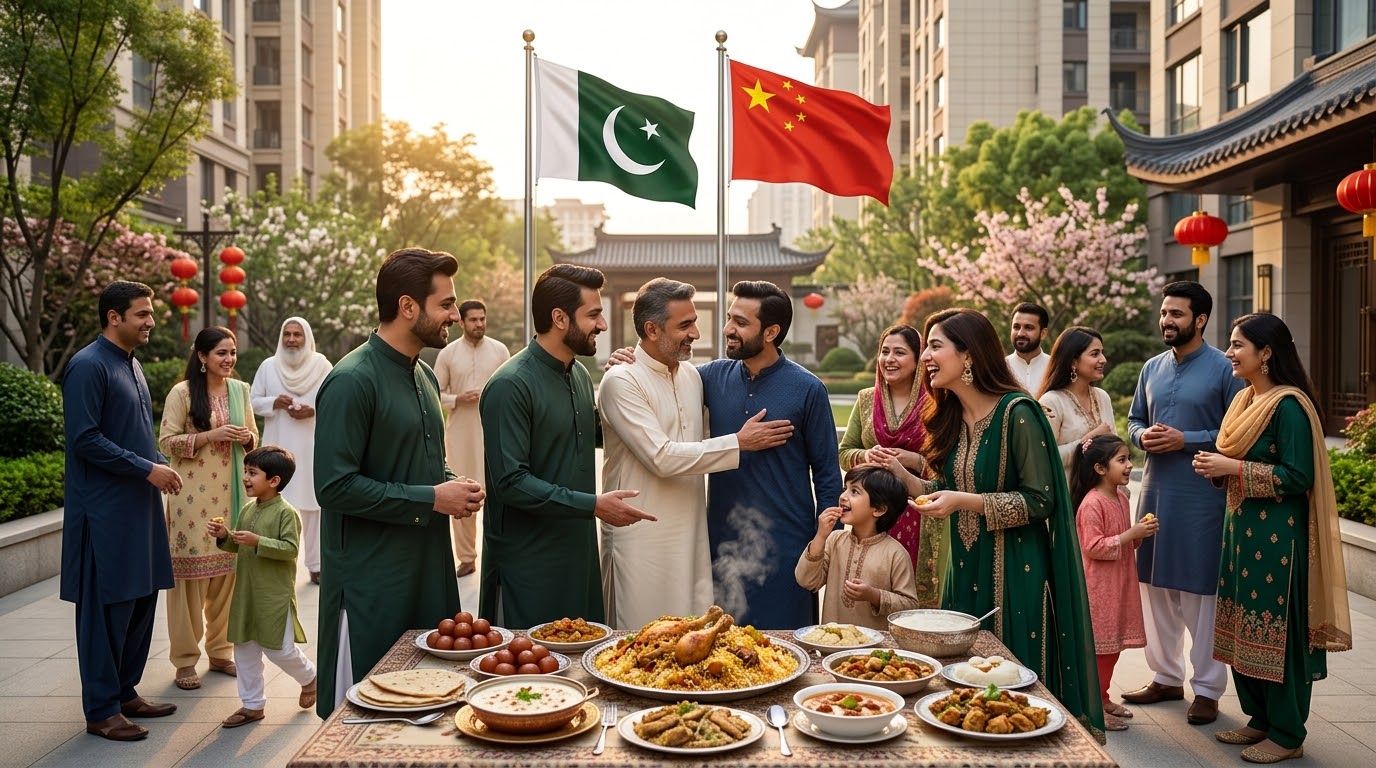
Eid is often associated with familiar places: a family home, a neighbourhood mosque, a table prepared for relatives or the annual journey to visit loved ones. For Pakistanis living abroad, these traditions may need to be maintained in a different setting, sometimes thousands of kilometres away from the people with whom they have celebrated for years.
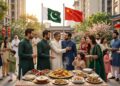
In China, Pakistani students, professionals and families can mark Eid through prayers, shared meals, community gatherings and calls to relatives back home. These activities cannot eliminate the distance from family, but they offer ways to preserve familiar traditions while building a social life in another country.
Documented Eid celebrations in Guangzhou and Beijing provide a glimpse into how Pakistani communities create opportunities to celebrate together. They also demonstrate how cultural gatherings can bring people from different backgrounds into contact through food, music and shared experiences.
How Pakistanis in China Celebrate Eid
Celebrating Eid abroad often involves adapting familiar traditions to local circumstances. Students may have academic commitments, professionals may need to work around their schedules, and families may live far from other Pakistanis.
Despite these practical challenges, community gatherings can create opportunities to observe Eid with people who share similar cultural experiences. Depending on their location and circumstances, Pakistanis in China may attend organised events, gather with friends, prepare traditional meals at home or connect with relatives through digital communication.
There is no single way to celebrate Eid abroad. Individual experiences can differ according to personal preferences, religious practices, family circumstances and access to community networks.
For some, an organised gathering offers a welcome opportunity to meet fellow Pakistanis. Others may prefer a quieter celebration with close friends or family members. Understanding these differences is essential to exploring what Eid means to people living away from home.
An Eid-ul-Adha Gathering in Guangzhou
In June 2024, the Associated Press of Pakistan reported that the Consulate General of Pakistan in Guangzhou organised an Eid-ul-Adha gathering for Pakistani students, university faculty members and members of the wider community.
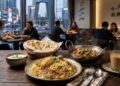
The event took place at a Pakistani restaurant on June 17. According to the report, the programme featured traditional musical performances, with students playing instruments such as the rabab, tabla and harmonium. Participants also shared Pakistani food, including biryani.
The gathering brought together people from different universities and professional backgrounds, providing a setting in which participants could experience familiar elements of Eid while living away from Pakistan.
Food, music and social interaction each contributed to the occasion. Sharing a familiar meal offered an opportunity to reconnect with Pakistani culinary traditions, while musical performances brought cultural expression into the gathering. The presence of students and other community members also created space for new social connections.
Such occasions can be particularly valuable for people whose everyday routines revolve around university schedules or work commitments. A community gathering gives them an opportunity to meet others who may understand the experience of living abroad.
However, one event cannot represent how every Pakistani in Guangzhou celebrates Eid. Some people may attend organised gatherings, while others may celebrate privately or with a small circle of friends. Their experiences depend on individual circumstances and the communities around them.
An Eid Mela in Beijing
Another example came from Beijing in April 2024, when the Pakistan Embassy hosted an Eid-ul-Fitr Mela.
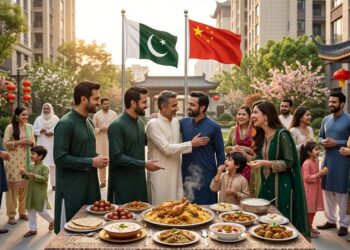
Radio Pakistan reported that Pakistani families, children, students, embassy officials and Chinese friends attended the event. Activities included traditional Pakistani food, desserts and activities for children.
The participation of Chinese friends is particularly relevant to understanding the wider role of Eid gatherings. Such events can provide an introduction to Pakistani traditions for people who may be unfamiliar with the festival.
For visitors, shared meals and cultural activities can offer an opportunity to learn about Eid’s social customs and family-oriented celebrations. For Pakistanis living abroad, these occasions can provide a familiar cultural environment in which friends, fellow students and members of the wider community come together.
The Beijing event also illustrates how cultural celebrations can create opportunities for interaction beyond a single national community.
Nevertheless, the report does not establish how frequently such gatherings take place or how many Pakistanis in China celebrate Eid through organised events. It provides a documented example of a gathering that brought together people from different backgrounds.
Why Food Matters During Eid Abroad
Food is an important part of many Eid celebrations. Family meals, traditional recipes and shared dishes can connect people with memories of home and the cultural practices they grew up with.
At community gatherings, food also serves a practical purpose: it gives people a reason to sit together, exchange stories and spend time in one another’s company. Familiar dishes can help create a sense of continuity when other aspects of daily life have changed.
For Pakistanis living in China, access to familiar ingredients and restaurants may depend on their city and living arrangements. Some may prepare traditional meals at home, while others may visit Pakistani restaurants or share food with friends.
Pakistan’s culinary traditions vary across regions and households. There is no single menu that represents every family’s Eid celebration. The dishes people prepare or miss may depend on their regional backgrounds, family customs and personal preferences.
These differences offer opportunities for more detailed reporting. Interviews with Pakistani students and families could reveal which dishes they prioritise, how they source ingredients and whether they have developed new ways of celebrating since moving to China.
Rather than assuming that everyone follows the same traditions, listening to individual experiences can show how food continues to connect people with their cultural identities.
Music and Cultural Traditions Keep Memories Alive
Music can provide another connection to familiar cultural environments. Traditional instruments such as the rabab, tabla and harmonium featured in the reported Guangzhou gathering, bringing Pakistani musical expression into the celebration.
Cultural performances can create an atmosphere that feels familiar to participants, while also introducing traditional music to people from other backgrounds.
However, music is only one possible part of celebrating Eid. The importance of particular customs varies between individuals and families. Prayer, clothing, family calls, meals and visits may all play different roles in how people observe the occasion.
For Pakistanis abroad, maintaining traditions does not necessarily mean reproducing every aspect of a celebration in Pakistan. Instead, familiar practices may be adapted to suit available time, resources and social circumstances.
A student may prioritise meeting friends after prayers, while a family may focus on preparing a special meal or arranging a video call with relatives. These choices can all form part of a meaningful celebration.
First-hand accounts are essential to understanding which traditions people preserve and how those practices change over time.
Staying Connected with Family Back Home
Distance from family can be one of the most significant aspects of celebrating Eid abroad. The festival often involves visiting relatives, sharing meals and participating in family routines that may be difficult to recreate when loved ones live in another country.
Digital communication offers one way to maintain these relationships. Video calls, voice messages and online greetings allow people to exchange Eid wishes and share moments of the day, even when they cannot be physically present.
For students, these conversations may provide a connection to family life while they continue their studies. Professionals living abroad may also use digital communication to remain involved in family celebrations despite work commitments.
However, online contact is different from being present at a family gathering. Some people may find that video calls make the distance easier to manage, while others may feel the absence of loved ones more strongly during the festival.
It would be inaccurate to assume that every Pakistani living in China experiences Eid as a lonely occasion. Personal experiences vary, and many people may find genuine happiness in celebrating with friends and fellow community members.
For some, the day may involve both feelings of missing home and appreciation for the community they have built abroad.
How Eid Gatherings Build Cultural Connections
Eid celebrations can also create opportunities for cultural exchange between Pakistanis and Chinese residents.
The Beijing Eid-ul-Fitr Mela, according to Radio Pakistan, included Chinese friends alongside Pakistani families, students and embassy officials. Their participation illustrates how a cultural gathering can bring people together around shared meals and social activities.
For visitors unfamiliar with Eid, such events can offer a direct introduction to Pakistani customs. Rather than learning about traditions only through descriptions, participants can experience aspects of the celebration in a social setting.
These encounters do not automatically produce a deeper understanding of another culture. Their value lies in creating opportunities for conversation, curiosity and future interaction.
For Pakistani students, professionals and families living in China, these connections may develop alongside ordinary university life, workplace relationships and friendships with local residents.
Cultural traditions can remain an important part of personal identity while social networks expand beyond one’s home community.
This is one practical dimension of people-to-people exchange: individuals from different backgrounds meeting, sharing experiences and learning about one another through everyday interaction.
The Different Experiences of Students, Professionals and Families
The experience of celebrating Eid in China may vary considerably depending on a person’s circumstances.
Pakistani students may have to balance celebrations with examinations, research responsibilities or university schedules. Their access to community gatherings may depend on where they study and how far they live from other Pakistani students.
Working professionals may face different challenges, particularly if their employment requires them to work during the holiday period or limits their ability to travel.
Families with children may prioritise activities that allow younger family members to experience familiar traditions. They may also seek opportunities to meet other Pakistani families and introduce their children to cultural practices associated with Eid.
People living in cities with established Pakistani communities may have more opportunities to attend organised gatherings than those living in smaller cities or areas with fewer international residents.
These are possibilities rather than universal experiences. Interviews with people from different backgrounds would help establish how they organise their celebrations and which challenges matter most to them.
Including a range of perspectives would also prevent a few organised events from being presented as representative of every Pakistani living in China.
What Official Reports Tell Us—and What They Cannot
Reports from the Associated Press of Pakistan and Radio Pakistan establish that organised Eid celebrations took place in Guangzhou and Beijing in 2024.
The reported events provide concrete examples of how diplomatic missions and community gatherings can create spaces for Pakistani cultural traditions abroad. They also show how food, music and social activities can bring people together.
However, event reports offer only a partial view of the wider experience. They generally describe the occasion itself rather than documenting how attendees feel about celebrating away from home or how their personal traditions have changed.
A more comprehensive human-interest feature would require interviews with Pakistani students, professionals and families living in at least two Chinese cities.
Useful questions would include which traditions people consider essential, how they decide whom to celebrate with, what they miss most about Eid in Pakistan and whether their celebrations have evolved since arriving in China.
Interviews should also include people who do not attend organised gatherings. Their experiences could reveal other ways of observing Eid and help create a more balanced picture of Pakistani life abroad.
Such reporting would move beyond descriptions of official events to explore the people, relationships and personal choices that give celebrations their meaning.
Keeping Eid Traditions Alive Across Distance
Celebrating Eid abroad does not necessarily mean reproducing every detail of a celebration in Pakistan. Traditions may be adapted to fit local circumstances, available time and the people with whom someone celebrates.
For some, maintaining a familiar meal or attending prayers may be central. For others, meeting friends, exchanging greetings with family or helping organise a community gathering may carry greater importance.
The documented celebrations in Guangzhou and Beijing show that organised events can provide shared spaces for Pakistani communities in China. They also demonstrate how traditional food, music and social activities can introduce Eid customs to Chinese friends.
Yet the meaning of these gatherings extends beyond the events themselves. Understanding their wider significance requires listening to the people who participate in them and those who celebrate in different ways.
Their experiences can reveal what is preserved when people live far from home, what changes as circumstances evolve and how familiar traditions continue to find a place in everyday life.
Ultimately, keeping Eid traditions alive abroad is not simply about recreating a celebration. It is about maintaining connections—with family, culture, community and the people who make a place feel welcoming.
For Pakistanis living in China, these connections may take different forms. Together, their experiences offer a more complete understanding of how cultural traditions endure across distance and adapt to new surroundings.
Read more articles :
Beyond Biryani: Pakistani Restaurants in China
Far from Home, What Chinese Students Miss in Pakistan
Xinjiang’s BRI Role in Trade and Pakistan-China Ties