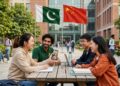


Studying abroad is an opportunity to explore a new culture, gain an international education and build friendships across borders. For Chinese students in Pakistan, the experience also means adjusting to unfamiliar routines, different food, new social customs and life away from family. Although Pakistan and China share close diplomatic and educational ties, everyday life can feel very different for students arriving from China.
Beyond classrooms and university campuses, the adjustment process involves the small details that make a place feel like home. Familiar meals, conversations in one’s native language, family traditions and established routines can become especially important when living thousands of kilometres away.
Understanding these experiences offers a more personal perspective on educational cooperation between Pakistan and China. It also highlights the role universities, classmates and local communities can play in helping international students feel welcome.
What Chinese Students Miss Most About Home
Moving abroad often makes people more aware of the everyday comforts they once took for granted. For Chinese students in Pakistan, these may include home-cooked meals, familiar neighbourhoods, family gatherings and the ease of communicating in their native language.
Food can be one of the most noticeable differences. Chinese cuisine varies considerably across regions, with distinctive flavours, cooking methods and ingredients. Students accustomed to particular dishes may find it difficult to recreate the same meals when studying abroad. Even when local alternatives are available, the taste and preparation may differ from what they remember from home.
Family connections are another important part of life abroad. Birthdays, festivals and ordinary meals with relatives can take on greater significance when students can no longer participate in them in person. Video calls and messaging applications help maintain these relationships, but they cannot entirely replace spending time together.
Students may also miss familiar social environments. Everyday interactions are often easier when people share the same language, cultural references and unwritten social rules. In a new country, even routine activities can require additional thought and adjustment.
Adjusting to Food and Daily Life in Pakistan
Food is more than a practical necessity; it is closely connected to identity, memory and belonging. Pakistan offers a rich culinary culture, including regional dishes, traditional breads, rice-based meals and a wide variety of spices. For students arriving from China, exploring these foods can become an important part of experiencing local life.
However, adapting to a new cuisine does not always happen immediately. Differences in ingredients, spice levels, meal timings and cooking styles may take time to navigate. Students who prefer particular Chinese dishes may seek out Chinese restaurants, prepare familiar meals themselves or share recipes with friends.
Access to suitable ingredients and cooking facilities can make this transition easier. Universities with international student communities can also help by providing practical information about nearby grocery shops, restaurants and accommodation facilities.
Daily routines may require similar adjustments. Shopping, using local transport, communicating with service providers and understanding campus procedures can all feel unfamiliar at first. Clear guidance from university staff and experienced students can reduce uncertainty and help newcomers become more independent.
Language and Cultural Differences
Language plays a central role in how people form relationships and navigate unfamiliar environments. Although some Chinese students may have experience with English, their comfort levels can vary. Communicating in Urdu or regional languages may present an additional challenge, particularly outside university settings.
Even simple conversations can become difficult when people use unfamiliar expressions, speak quickly or rely on cultural references that newcomers do not understand. These situations may initially lead students to depend on translation applications, bilingual classmates or university staff.
Cultural differences also extend beyond language. Greetings, hospitality, personal space, social expectations and everyday etiquette can vary between communities. Neither culture needs to be viewed as better or worse; understanding these differences is part of developing mutual respect.
Small efforts can make a meaningful difference. Speaking clearly, avoiding unnecessary slang and showing patience during conversations can help international students feel more comfortable. Learning a few useful phrases in one another’s languages can also create opportunities for friendship.
For Chinese students in Pakistan, cultural adjustment is not simply about learning how things work locally. It is also about finding ways to participate in a new environment while retaining a connection to their own cultural identity.
Making Friends and Finding a Sense of Belonging
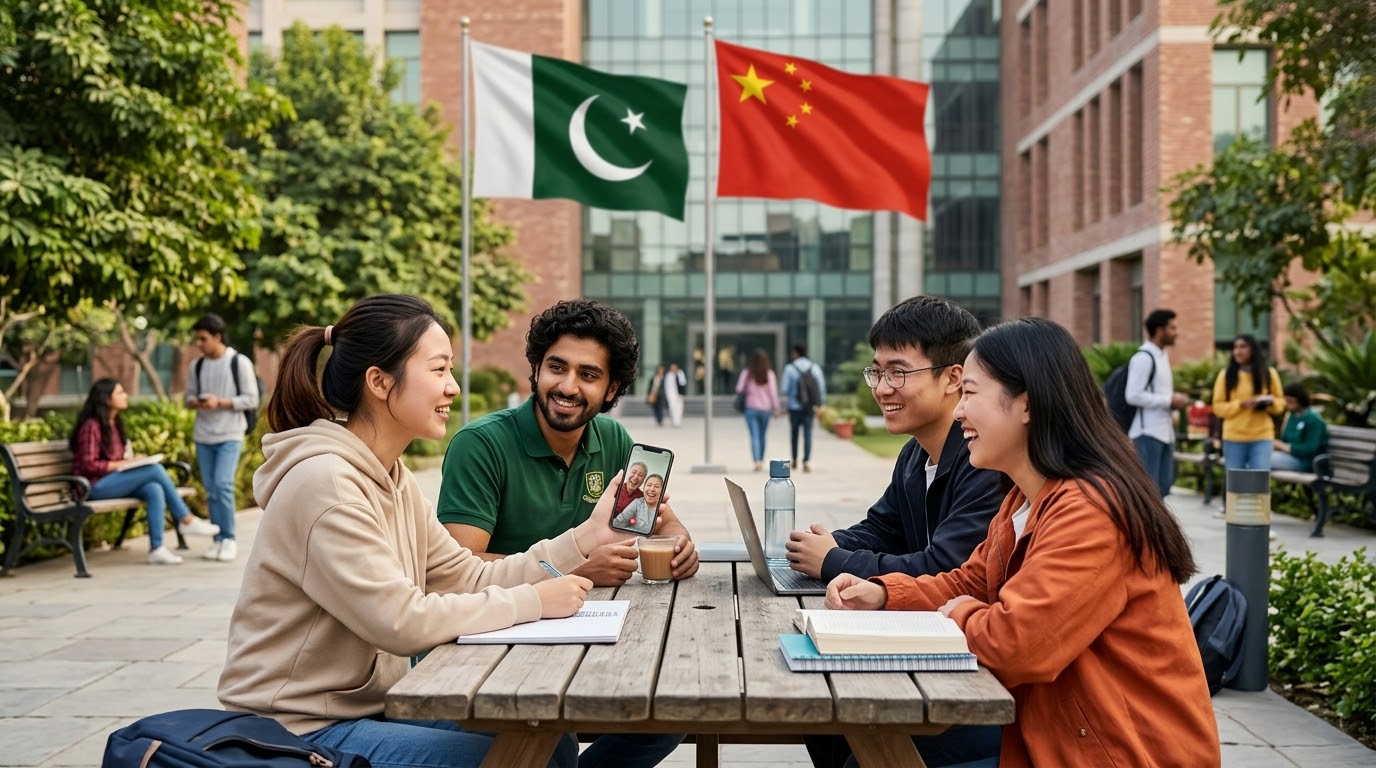
Friendship can make life abroad considerably easier. Classmates who explain university procedures, invite international students to social gatherings or help them discover local places can turn an unfamiliar environment into a more welcoming one.
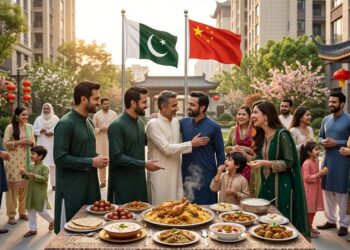
Pakistan is widely associated with hospitality, and many international students encounter people who are eager to introduce them to local food, traditions and places of interest. Invitations to share meals, participate in campus activities or celebrate cultural occasions can provide opportunities to build meaningful relationships.
At the same time, forming friendships takes time. Students may feel more comfortable initially spending time with people who speak their language or share similar experiences. Chinese student groups and international student societies can provide a valuable support network, particularly during the early stages of adjustment.
The most effective approach is not to expect students to abandon familiar social circles but to create opportunities for different communities to interact. Group projects, cultural events, language exchanges and student-led activities can help Pakistani and Chinese students develop friendships through shared experiences.
These connections can also challenge assumptions on both sides. Personal relationships often provide a more nuanced understanding of another country than news headlines or general impressions alone.
How Universities Can Support Chinese Students in Pakistan
Universities have an important role in helping international students settle into academic and social life. Admission procedures and classroom instruction are only part of the experience; practical support can be equally important in determining how comfortable students feel on campus.
An effective orientation programme should explain academic expectations, campus facilities, accommodation arrangements, healthcare access and available student services. Providing this information in accessible language can help newcomers understand where to seek assistance when problems arise.
Universities can also establish mentoring programmes that pair incoming international students with senior students. These mentors can offer practical advice about everyday life, introduce newcomers to campus activities and help them navigate unfamiliar situations.
Food options, safe accommodation, accessible counselling and clear communication channels can further improve the student experience. Universities should also ensure that international students know how to raise concerns and obtain support without unnecessary confusion.
Cultural exchange activities can strengthen these efforts. Chinese cultural celebrations, Pakistani cultural events, shared meals and language-learning sessions allow students to introduce one another to their traditions in an informal setting.
Support should not be limited to the first few weeks. Adjusting to a new country is an ongoing process, and students may encounter different challenges as academic demands, living arrangements and personal circumstances change.
Technology Helps Students Stay Connected to China
Digital communication has made it easier for students abroad to maintain relationships with family and friends. Messaging applications, video calls and online communities allow Chinese students in Pakistan to remain involved in important conversations and everyday family life despite the physical distance.
Online access to familiar entertainment, news, recipes and cultural content can also provide a sense of continuity. During stressful periods, familiar music, television programmes or conversations in one’s native language may offer comfort.
Technology can help students find practical information as well. Online student groups may share recommendations about restaurants, shopping, transport and university services. Such exchanges can be particularly useful for newcomers who are still learning how to navigate their surroundings.
However, digital connections work best alongside real-world relationships. Maintaining contact with home is important, but participating in campus activities and developing local friendships can help students feel more connected to their present environment.
A healthy balance allows students to preserve their ties to China while building a meaningful life in Pakistan.
Cultural Exchange Benefits Both Countries
The experiences of Chinese students in Pakistan reflect a broader aspect of educational and cultural cooperation between the two countries. International education creates opportunities not only to acquire academic knowledge but also to develop intercultural understanding through daily interaction.
When students share classrooms, work on projects and participate in campus life, they encounter perspectives that may differ from their own. These experiences can encourage curiosity, improve communication skills and challenge stereotypes.
Pakistani students can also benefit from friendships with their Chinese peers. Conversations about food, family traditions, education and everyday life provide opportunities to understand China beyond formal discussions of diplomacy and economics.
For Chinese students, meaningful interaction with Pakistani classmates and communities can offer a more personal understanding of the country. Experiences outside the classroom may become lasting memories that shape how they view Pakistan after graduation.
The quality of this exchange depends on mutual participation. International students should have opportunities to share their own cultures while being supported in learning about their host country. Cultural exchange is most effective when it is based on curiosity, respect and genuine engagement rather than assumptions.
Turning Homesickness into a More Positive Experience
Homesickness is a common experience for people living away from familiar surroundings. It can become more noticeable during holidays, examination periods, stressful moments or times when students miss important family events.
Recognising these feelings is an important first step. Students may find it helpful to maintain regular contact with loved ones, prepare familiar meals, follow comforting routines and spend time with supportive friends. Joining clubs or participating in activities can also create structure and provide opportunities to meet people.
Universities can contribute by making counselling and student support services accessible. Staff should recognise that international students may face emotional as well as practical challenges when adjusting to a new country.
It is equally important not to assume that every Chinese student has the same experience. Individual circumstances, personality, language skills, previous international travel and the strength of social networks can all influence how quickly someone adjusts.
For some students, adaptation may happen gradually through everyday experiences. For others, particular challenges may require more time or support. A welcoming environment gives students room to adjust at their own pace.
Building a Home Away from Home
For Chinese students in Pakistan, studying abroad involves more than attending lectures and completing academic assignments. It means learning to navigate a different social environment, discovering new foods, developing friendships and maintaining relationships with family members back home.
The process can include moments of excitement as well as frustration and homesickness. Yet familiar routines, supportive classmates, helpful universities and opportunities for cultural exchange can make the transition easier.
Pakistan’s educational institutions and local communities can strengthen the experience by recognising the practical needs of international students and creating spaces where different cultures can interact naturally. Small gestures, from helping a newcomer understand campus procedures to sharing a meal, can contribute to a lasting sense of belonging.
Ultimately, feeling at home in another country does not require forgetting where one comes from. It means being able to preserve familiar connections while building new ones.
As educational links between Pakistan and China continue to bring people together, the everyday experiences of students deserve attention alongside broader discussions of cooperation. Their stories show that international understanding is built not only through institutions and agreements but also through friendships, shared experiences and the simple effort to make someone feel welcome.
Read more article:
Beyond Biryani: Pakistani Restaurants in China
Pak-China Fusion Festival Celebrates 75 Years of Friendship
Pakistani Women and China-Linked Technical Training