

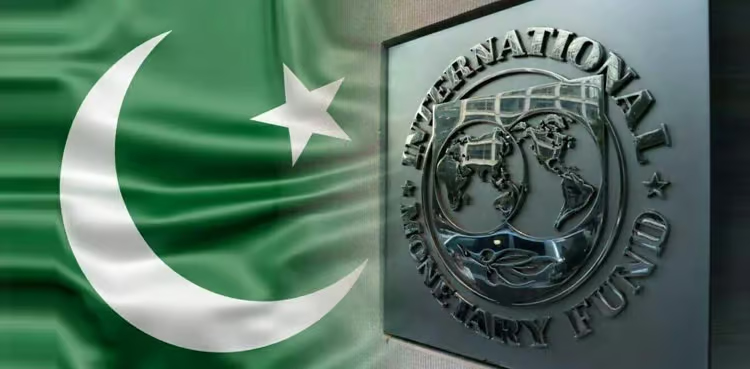
Pakistan and the International Monetary Fund (IMF) have reached a staff-level agreement on the latest reviews of the country’s economic programs.
The agreement covers the fourth review of the $7 billion Extended Fund Facility (EFF) and the third review of the $1.4 billion Resilience and Sustainability Facility (RSF).
Subject to approval by the IMF Executive Board, Pakistan could receive about $1.2 billion within four to five weeks.
IMF Deal Covers Two Programs
Under the agreement, Pakistan would receive about $1 billion through the EFF. It would also receive around $210 million through the RSF.
Once approved, total disbursements under both programs will reach about $5.7 billion.
The IMF also completed its Article IV consultation with Pakistan during the review process.
Pakistan’s Economy Shows Greater Stability
The IMF said Pakistan’s economic program remained broadly on track despite a challenging external environment.
Real GDP growth reached 4% during the first three quarters of FY26. However, higher energy prices and supply disruptions affected economic momentum.
The Fund estimates Pakistan’s FY26 growth at 3.6%.
Meanwhile, headline inflation fell to around 10.3% in September after reaching a peak in May. Core inflation also remained contained.
Foreign Reserves Rise
Pakistan’s external position also showed improvement. Strong remittances helped keep the current account broadly balanced during FY26.
Moreover, gross foreign exchange reserves increased to around $21.5 billion by the end of September.
The IMF also noted recent sovereign rating upgrades and renewed access to international markets. These developments point to stronger investor confidence in Pakistan’s economic policies.
IMF Calls for Fiscal Reforms
The Fund stressed the importance of maintaining strong fiscal policies. It highlighted the FY27 budget target of an underlying primary surplus equal to 2% of GDP.
In addition, the IMF called for stronger tax administration. Key measures include risk-based audits, digital invoicing, and greater use of third-party data.
The Fund also recommended a simpler and fairer medium-term tax system. Such reforms should support growth while protecting government revenues.
Focus on Social Protection
The IMF noted that Pakistan had increased spending on health and education. Combined spending rose from 2.2% of GDP in FY24 to 2.5% in FY26.
The government plans to raise this figure to 2.8% of GDP in FY27.
Furthermore, higher targeted cash transfers and improved payment systems are expected to strengthen support for vulnerable households.
Energy Sector Reforms Remain Critical
The IMF urged Pakistan to implement timely electricity and gas tariff adjustments. It also called for reforms to reduce costs and prevent renewed circular debt accumulation.
Priorities include improving distribution efficiency, encouraging private participation, and reducing gas losses.
The Fund also advised the State Bank of Pakistan to maintain an appropriately tight monetary policy until inflation returns sustainably to its target range.
Climate and Structural Reforms
Pakistan is also advancing reforms under the RSF to strengthen climate resilience.
These efforts include incorporating climate risks into public investment planning, improving disaster financing, and reforming irrigation water pricing.
Moreover, Pakistan is working on energy-efficiency standards and transport decarbonization.
IMF Program Moves Toward $5.7bn in Disbursements
The latest agreement marks another step in Pakistan’s ongoing IMF program.
Once the Executive Board approves the review, total disbursements under the EFF and RSF arrangements will rise to approximately $5.7 billion.
The agreement also places continued emphasis on fiscal discipline, energy reforms, social protection, and structural changes aimed at supporting sustainable economic growth.
Read More Articles:
Pakistan, Bahrain Seek Stronger Trade Ties