Shehbaz Sharif said Pakistan expects further progress on the 20 Pakistani-flagged ships allowed by Iran to cross the Strait of Hormuz in the coming days. He highlighted that the ongoing war in the Middle East has negatively affected Pakistan’s economy.
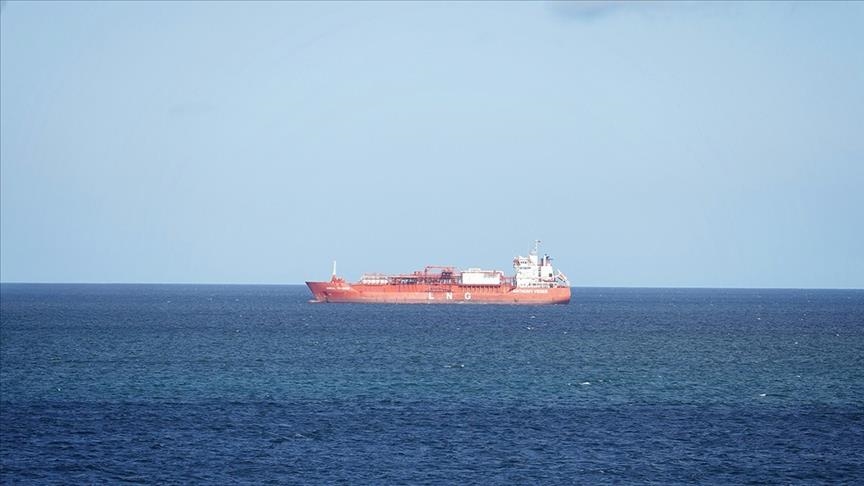
Ishaq Dar stated on March 28 that Iran had permitted 20 Pakistani ships to navigate the strategic waterway. The Strait of Hormuz carries roughly 20% of the world’s oil and gas supplies, making it a critical global shipping route.
During a high-level meeting with federal ministers, provincial chief ministers, and Pakistan’s chief of defense forces, Sharif noted that two Pakistani ships have already crossed the strait in recent days. He assured participants that arrangements for the remaining ships are progressing and expected to continue shortly.
Iran has effectively restricted traffic through the Strait of Hormuz since the February 28 attack by the United States and Israel. Limited vessels are allowed to pass, leaving several stranded on both sides. This disruption has caused global oil prices to rise and shipping costs to increase as ships reroute.
Sharif emphasized that Pakistan has worked to maintain macroeconomic stability despite the regional crisis. He added, “Pakistan has put in consistent efforts to stop this war and ensure a ceasefire. The rest is in the hands of Allah.”
As part of its diplomatic role, Pakistan has acted as a go-between in the conflict, conveying messages between Iran and the US. Islamabad also hosted talks with foreign ministers from Saudi Arabia, Türkiye, and Egypt to reduce regional tensions.
Earlier this week, Dar visited China and met Wang Yi. Both sides proposed a five-point initiative to restore peace in the Middle East, calling for an immediate ceasefire and the start of peace talks.
More Related Articles: