
Pakistan and China have agreed to fast-track discussions on a motor gasoline import arrangement and a proposed liquefied petroleum gas (LPG) plant, aiming to strengthen Pakistan’s fuel security and attract Chinese investment in the energy sector.
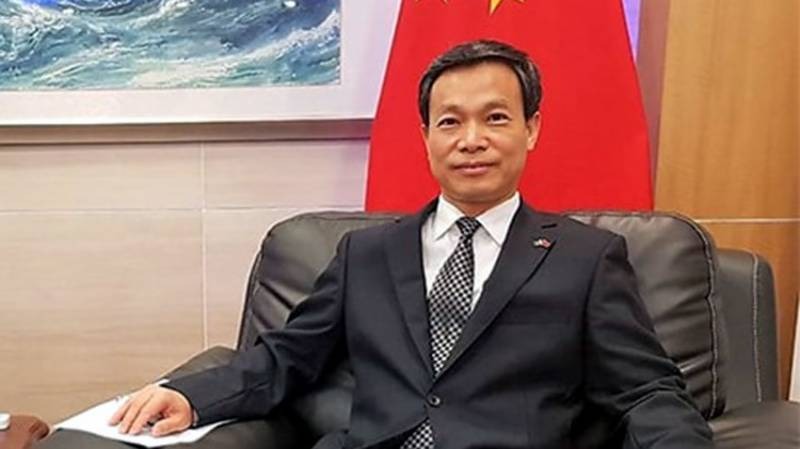
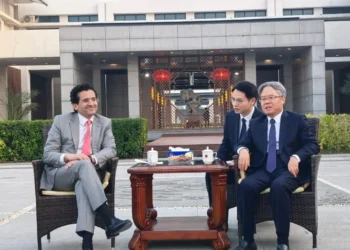
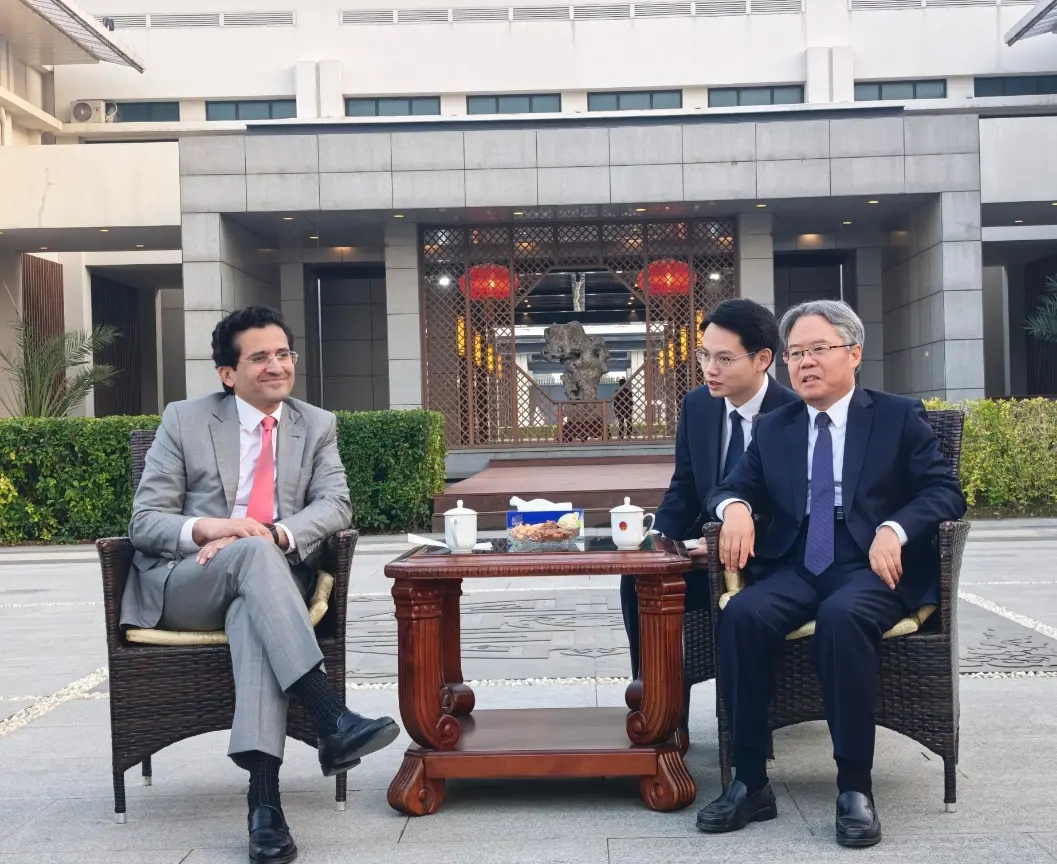
The understanding emerged during a meeting between Federal Minister for Petroleum Ali Pervaiz Malik and Chinese Ambassador Jiang Zaidong in Islamabad on November 24. Senior officials from both sides, including Pakistan State Oil (PSO) Chief Executive Officer Jawwad Ahmed Cheema, also attended the meeting.
According to the Petroleum Division, both countries identified two government-to-government projects as priorities for early action: an LPG plant with associated storage and terminal facilities, and a motor gasoline import arrangement covering sourcing, storage and logistics.
“We want to move decisively from discussions to implementation,” Petroleum Minister Ali Pervaiz Malik said during the meeting.
Pakistan seeks alternatives amid Gulf fuel supply disruptions
The proposed cooperation comes as conflict in the Middle East and disruptions to shipping through the Strait of Hormuz raise concerns about Pakistan’s dependence on energy supplies from the Gulf.
The Strait of Hormuz is a major international shipping route for oil and other energy commodities. Disruptions along this corridor can affect supply availability, transportation costs and international fuel prices.
Pakistan remains particularly exposed to such developments because of its reliance on imported petroleum products.
In its April 2026 country report, the International Monetary Fund (IMF) said that 81 per cent of Pakistan’s fuel imports came from the six Gulf Cooperation Council (GCC) countries. It also warned that sustained disruptions to physical fuel supplies could have a greater impact on economic activity than rising international prices alone.
The proposed gasoline arrangement with China could help Pakistan diversify its sourcing options and strengthen its fuel procurement and logistics network. However, the details of the arrangement, including suppliers, volumes and delivery schedules, have yet to be finalised.
Proposed LPG plant to address seasonal shortages
The two countries also agreed to advance plans for an LPG plant supported by storage and terminal infrastructure.
The proposed facility aims to expand domestic LPG availability, improve access to cleaner fuel and reduce shortages during periods of peak seasonal demand.
LPG plays an important role in Pakistan’s household and commercial energy supply, particularly in areas where natural gas networks are unavailable or unreliable.
The project would involve more than establishing a processing or supply facility. Its associated storage and terminal infrastructure would also support the handling and distribution of imported and domestically available LPG.
Pakistan has already been pursuing reforms to improve LPG imports and market supply. In November, the government introduced measures to encourage state-owned enterprises to participate in bulk imports and strengthen the country’s supply chain.
The proposed China-Pakistan project could complement these efforts by adding infrastructure and potential investment to the LPG sector.
PSO to facilitate Chinese investment in energy infrastructure
Pakistan State Oil was identified as a key potential commercial partner for Chinese companies interested in entering or expanding their presence in Pakistan’s downstream petroleum sector.
The discussions covered investment opportunities in petroleum storage, terminals and wider downstream infrastructure.
The Petroleum Division also highlighted the potential involvement of other national energy companies, including Oil and Gas Development Company Limited (OGDCL), in partnerships with Chinese upstream and downstream enterprises.
Such partnerships could bring together Pakistani companies and Chinese investors to develop commercially viable projects across the energy value chain.
The meeting also covered oil and gas exploration, offshore development and the development of strategic energy infrastructure. Both sides discussed mineral exploration and mining, with particular attention to investment opportunities in Balochistan and emerging offshore prospects.
Joint commercial team to prepare investment roadmap
To move the proposals forward, Pakistan and China agreed to establish a Joint Commercial Team comprising representatives from both countries.
The team will evaluate the identified projects, engage potential companies, examine investment and partnership models and prepare a structured roadmap for cooperation.
Its work will cover the proposed LPG plant, motor gasoline imports, upstream and offshore energy operations, minerals and mining.
The two sides also discussed improving import and export policies, streamlining procedures and strengthening institutional and commercial coordination to facilitate investment and technology transfer.
Chinese Ambassador Jiang Zaidong reaffirmed Beijing’s support for Pakistan and assured cooperation through the Chinese Embassy and its commercial team. He also welcomed the proposed framework for engagement and expressed China’s interest in exploring investment opportunities and expanding business-to-business links.
A wider push to strengthen Pakistan-China energy cooperation
The latest discussions reflect efforts by Islamabad and Beijing to expand their economic partnership beyond existing infrastructure and energy cooperation.
For Pakistan, the proposed projects could help diversify fuel sourcing, improve storage capacity and attract investment into critical petroleum infrastructure. For Chinese companies, they offer potential opportunities in fuel imports, terminals, storage, exploration and mining.
However, the projects remain at the discussion and assessment stage. Their investment costs, technical specifications, capacities and implementation schedules have not yet been announced.
The Joint Commercial Team will play an important role in assessing their commercial feasibility and identifying potential investors before the proposals move towards implementation.
Read More Articles:
Military Leadership Hails Pakistan’s Space Mission