
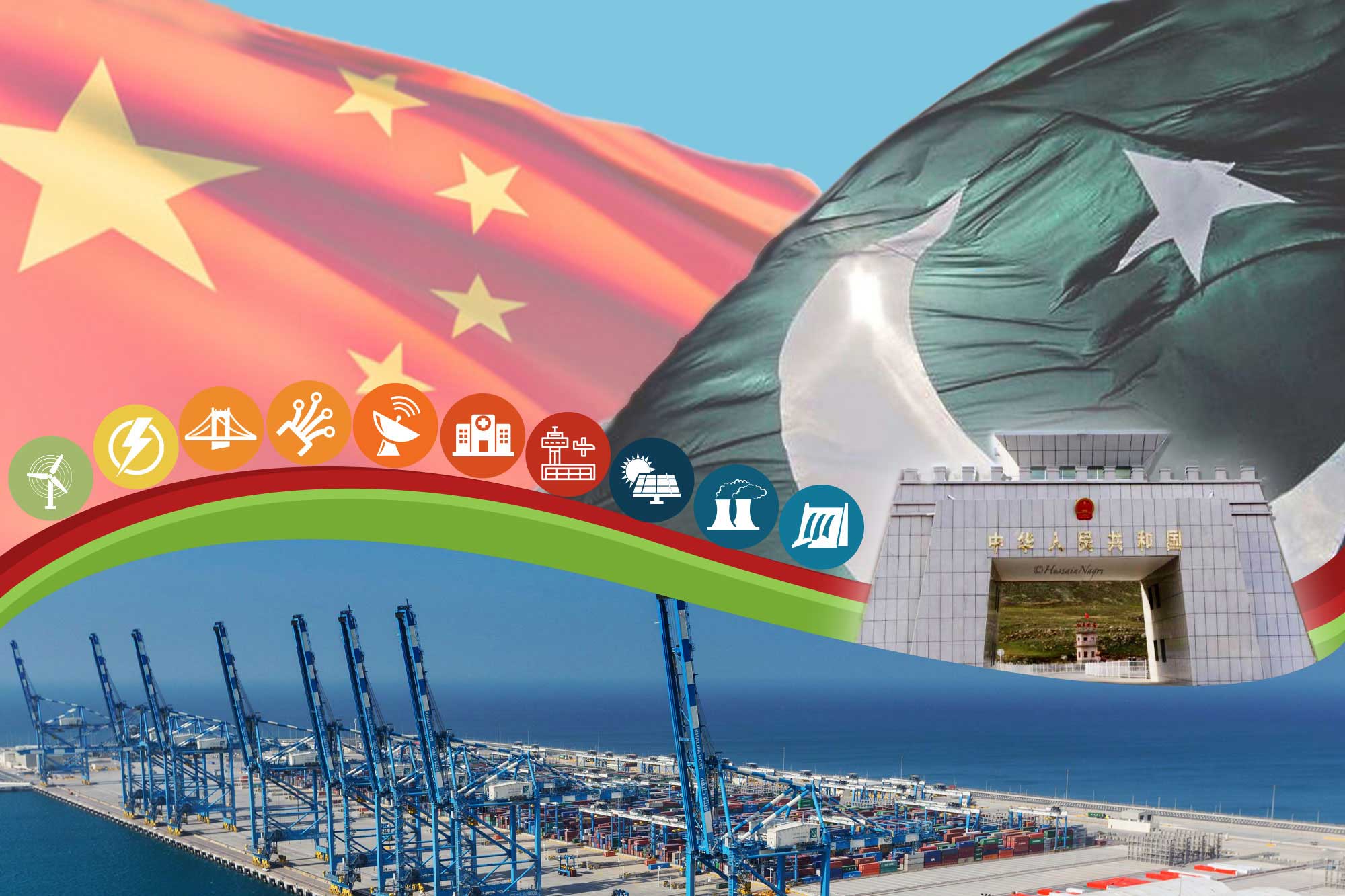
The China-Pakistan Economic Corridor (CPEC) is moving beyond infrastructure development towards a broader model of economic cooperation. Its initial phase strengthened connectivity through energy projects, transport networks and other infrastructure. The next phase offers opportunities to turn these foundations into sustainable growth, stronger industries and shared prosperity.
CPEC’s long-term value depends not only on the roads, power plants and transport links developed under the initiative. It also depends on how Pakistan uses these assets to expand production, increase exports, modernize agriculture, encourage innovation and create jobs.
The corridor can evolve into an integrated economic ecosystem connecting businesses, markets, skilled workers and investors in Pakistan and China.
From Infrastructure to Economic Integration
Infrastructure provides the foundation for economic integration, but it is not the final objective. Roads and transport networks can reduce travel times and improve the movement of goods. Reliable energy supplies can support industrial activity and strengthen production capacity.
These investments deliver broader benefits when combined with efficient logistics, effective institutions and competitive industries.
The next stage of CPEC should therefore focus on connecting infrastructure with Pakistan’s domestic production and export potential. This includes developing industrial clusters, strengthening supply chains and linking production centres with ports, major cities and international markets.
Chinese investment, technology transfer and technical expertise can support this transition. Stronger business-to-business cooperation can also help companies from both countries expand commercial partnerships and improve productivity.
Special Economic Zones to Drive Industrial Growth
Special Economic Zones (SEZs) are expected to play an important role in the next phase of CPEC. Zones such as Rashakai, Allama Iqbal Industrial City, Dhabeji and Bostan offer opportunities to attract investment, expand manufacturing and create employment.
Potential industries include textiles, pharmaceuticals, food processing, engineering, construction materials and home appliances.
Partnerships between Pakistani and Chinese businesses can support technology transfer, workforce training and integration into global supply chains. These benefits, however, depend on reliable utilities, efficient customs procedures, transparent regulations and a skilled workforce.
Greater participation by Pakistani companies is also essential. Linking small and medium-sized enterprises (SMEs) with larger industrial networks can spread economic benefits and help local businesses become suppliers to expanding industries.
Agricultural Modernization and Rural Development
Agriculture offers another pathway for transforming CPEC into a productive economic corridor. Pakistan can explore cooperation with China in agricultural mechanization, modern irrigation, improved seeds and food processing.
These areas could help increase productivity, reduce post-harvest losses and develop higher-value export products.
Research partnerships in livestock, fisheries and horticulture can also create opportunities for rural communities. A consultative meeting in April 2026 highlighted potential cooperation in agricultural machinery, farmer training, seafood processing, halal meat exports and aquaculture.
Turning these opportunities into results will require investment, research, farmer training and stronger links between producers, processors and export markets.
Digital Technology and Skills Development
Digital transformation can further strengthen CPEC’s economic potential. Artificial intelligence (AI), smart logistics, digital payments, e-commerce and data-driven manufacturing offer ways to improve business efficiency and competitiveness.
Cooperation in digital skills, research and responsible technology development can help Pakistani businesses adopt emerging technologies. It can also prepare young people for employment in technology-driven industries.
Universities, technical institutions and private companies can work together to develop training programmes aligned with industry needs. This approach can support a workforce capable of contributing to advanced manufacturing, agriculture, information technology and logistics.
Gwadar’s Role in Regional Connectivity
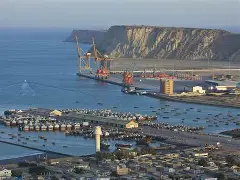
Gwadar remains an important component of CPEC’s broader connectivity vision. Its long-term economic potential extends beyond port operations to logistics, warehousing, industrial activity, seafood processing and other value-added services.
Realizing this potential requires supporting infrastructure, efficient port-related services, skilled workers and stronger local businesses.
Pakistan and China have expressed interest in strengthening Gwadar’s role as a regional connectivity hub. However, geographical connectivity alone cannot guarantee commercial success.
Effective logistics, viable business opportunities and local participation are essential to ensure that port development supports the wider economy. Regional cooperation should also respect neighbouring countries’ interests and create opportunities for mutually beneficial trade.
A more connected region could help businesses reach new markets, expand commercial links and strengthen cross-border economic cooperation.
Making CPEC More Inclusive and Sustainable
The success of CPEC should be measured not only by investment volumes and infrastructure development but also by its impact on people’s lives.
Vocational education, technical training, employment, healthcare, environmental protection and community engagement should remain important priorities.
Pakistan’s young population offers significant potential. Partnerships between universities, technical institutions and businesses can help young people acquire skills relevant to emerging industries.
Greater participation by women entrepreneurs and SMEs can also broaden access to economic opportunities.
Environmental sustainability is equally important. Investment in green energy, resource efficiency and climate-resilient infrastructure can support long-term growth while addressing environmental challenges.
These priorities can help ensure that the economic benefits of CPEC reach communities across Pakistan rather than remaining concentrated in a limited number of sectors or locations.
CPEC 2.0 and the Path to Shared Prosperity
The transition from infrastructure development to integrated economic corridors offers an opportunity to deepen the Pakistan-China partnership. The next phase can build stronger links between industry and agriculture, technology and skills, investment and exports, and regional connectivity and trade.
Achieving this vision will require effective institutions, consistent policies, coordination between governments and strong private-sector participation in both countries.
CPEC can support innovation, industrial competitiveness and inclusive growth if investments translate into productive activity and lasting economic opportunities.
Ultimately, the corridor is about more than connecting places. It is about linking infrastructure with productive capacity, businesses with markets and people with better opportunities. Building on earlier achievements while addressing implementation challenges can help Pakistan and China advance their long-standing partnership and pursue shared economic growth.
Read More Articles:
BRI Philosophy and Its Impact on Global Connectivity