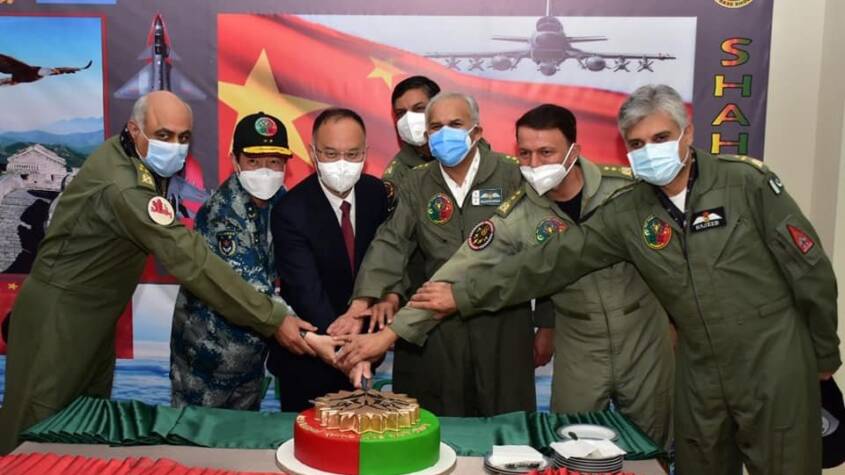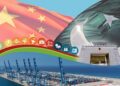

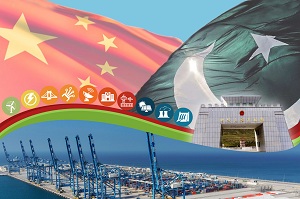
In 2026, Pakistan and China mark 75 years of diplomatic relations. The two countries formally established ties on May 21, 1951. This milestone offers an opportunity to reflect on their journey and look ahead to 2051.
Over the past 75 years, both countries have supported each other in diplomacy, defence and economic cooperation. Regular high-level exchanges have strengthened political trust. Meanwhile, trade, investment and development projects have expanded bilateral ties.
The launch of the China-Pakistan Economic Corridor (CPEC) brought new opportunities for infrastructure development and regional connectivity.
From Strategic Trust to Economic Strength
The first 75 years established a strong foundation for Pakistan-China relations. The next 25 years must turn this trust into lasting economic and technological gains.
Pakistan has strong strategic ties with China, one of the world’s major powers. However, diplomatic relations alone cannot create national economic strength.
Pakistan must improve its industrial capacity, exports, technology and institutions. It also needs to make better use of its geographical position, natural resources and young population.
The central challenge is to close the gap between Pakistan’s economic potential and its actual performance. The focus should be on what Pakistan can build through its partnership with China.
CPEC 2.0 Opens a New Phase of Cooperation
CPEC has entered a new phase known as CPEC 2.0. The first phase focused on energy generation, transport infrastructure and connectivity.
The second phase aims to expand cooperation in industrial development, agriculture, minerals, technology and innovation. It also seeks to promote investment and business-to-business partnerships.
At the 92nd Progress Review Meeting on the CPEC Action Plan 2025–2029, held on August 31, 2026, officials highlighted the goal of turning the strategic partnership into sustainable economic growth.
According to the supplied article, Phase I attracted around $25 billion in Chinese investment and added approximately 8,000 megawatts of power-generation capacity. Projects also included the Thar coal development and a fibre-optic network.
The next step is to use this foundation to create industries, expand exports and generate jobs. Pakistan needs to become a productive partner in regional and global supply chains.
Industrial Growth Must Drive Exports
Industrialisation will be essential to CPEC 2.0. However, establishing industrial zones alone will not guarantee economic transformation.
Pakistan needs reliable energy, efficient logistics and predictable regulations. Businesses also require access to finance and streamlined customs procedures.
Industrial investment should strengthen export capacity rather than focus mainly on domestic demand. Competitive industries can help Pakistan earn foreign exchange, create jobs and reduce its reliance on imported goods.
Technology and Skills Can Unlock New Opportunities
Cooperation with China in artificial intelligence, digital technology, agriculture and scientific research could help Pakistan develop its own capabilities.
Pakistan must move beyond simply consuming imported technology. It should build the skills and research capacity needed to participate in innovation and production.
Education, vocational training and human capital development will be essential. Pakistan’s large young population can become a major economic advantage if workers gain the skills demanded by modern industries.
Pakistan Can Strengthen Regional Connectivity
Pakistan’s location offers significant opportunities for trade. It connects China with the Arabian Sea and lies near Central Asia and the Middle East.
However, geography alone cannot make Pakistan a regional trade hub. The country needs stronger security, efficient institutions, modern infrastructure and competitive industries.
With the right conditions, CPEC and Gwadar could support greater regional trade and economic integration. This would create opportunities for Pakistani businesses and international investors.
A Stronger Pakistan Benefits Both Countries
A more productive Pakistani economy would also support China’s long-term interests. Stronger industries and higher exports could create new opportunities for Chinese investment and joint ventures.
A growing Pakistani market could benefit Chinese businesses. Better regional connectivity could also improve trade links across neighbouring economies.
A stable and economically capable Pakistan would become a stronger partner for China. In turn, deeper cooperation could help Pakistan develop its industrial and technological base.
Looking Ahead to 2051
The period from 2026 to 2051 offers both countries an opportunity to deepen their partnership. The goal should be to move beyond strategic trust towards stronger economic capabilities and mutual benefits.
By 2051, Pakistan could aim to build stronger institutions, a productive economy, greater technological capacity and improved regional connectivity.
China would also benefit from a more capable and economically stable partner. Both countries could then mark a century of diplomatic relations with tangible achievements in development and shared prosperity.
The lasting measure of Pakistan-China friendship will be how effectively both countries turn decades of trust into opportunities, growth and better lives for their people.
Read More Articles:
Pakistan, EU Agree to Strengthen Border Security