
China and Pakistan are strengthening economic cooperation under CPEC 2.0, with a focus on industry, agriculture, mining and investment. The initiative aims to boost bilateral trade and create new economic opportunities for Pakistan.
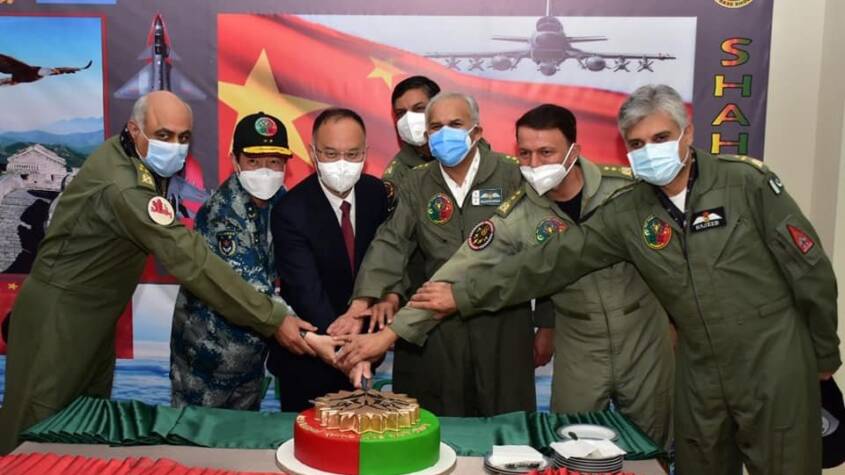
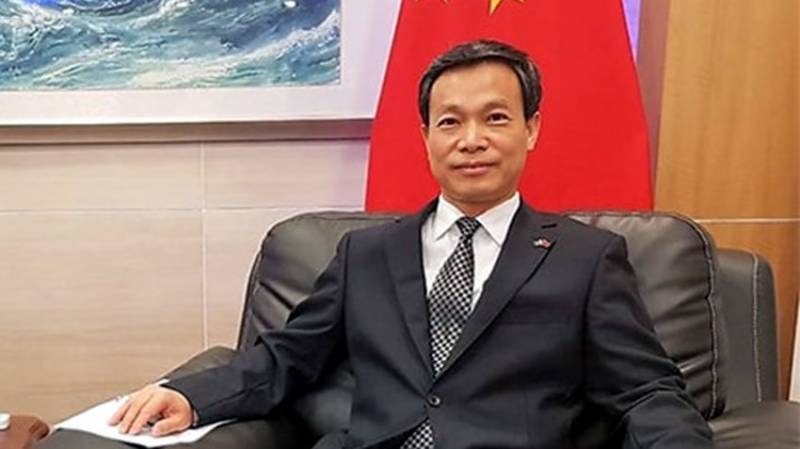
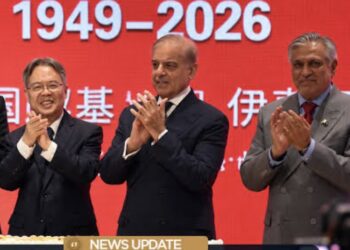
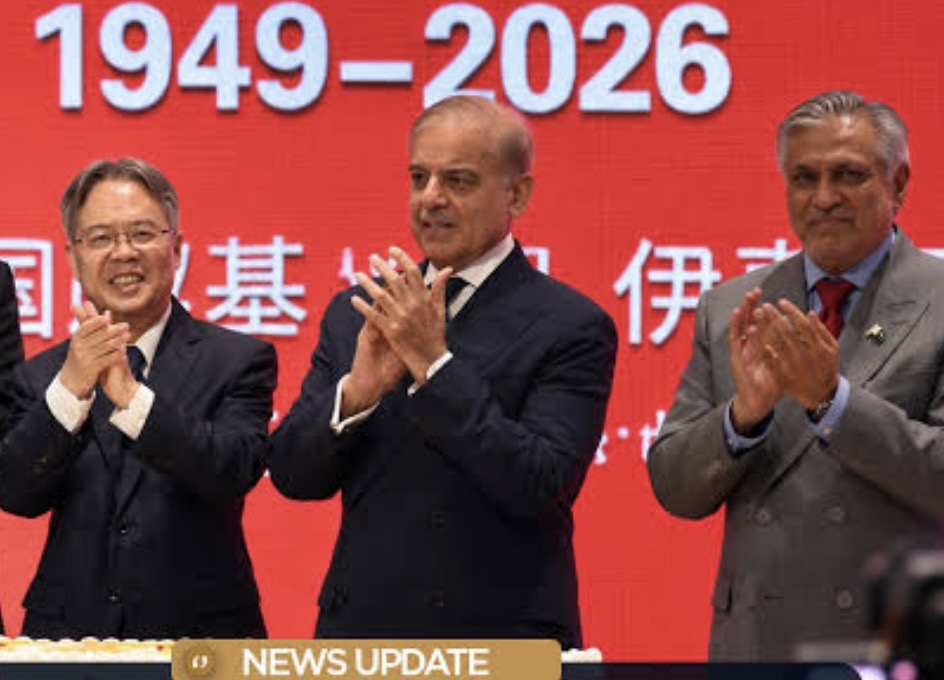
Chinese Ambassador to Pakistan Jiang Zaidong outlined these priorities at a reception in Islamabad marking the 77th anniversary of the founding of the People’s Republic of China. He also highlighted growing bilateral trade, Chinese investment and proposed development projects in Balochistan.
The announcement comes as China and Pakistan mark 75 years of diplomatic relations in 2026. Both countries aim to strengthen their longstanding partnership through increased trade, investment and development cooperation.
According to Ambassador Jiang, the next phase of bilateral cooperation will focus on five areas: strategic trust, economic collaboration, public welfare, security cooperation and international coordination.
CPEC 2.0 to Prioritise Industry, Agriculture and Mining
CPEC 2.0 will prioritise three key sectors: industry, agriculture and mining. According to Ambassador Jiang, these sectors will support economic cooperation and the continued development of the China-Pakistan Economic Corridor.
China and Pakistan also plan to accelerate efforts to upgrade their Free Trade Agreement. The move aims to expand trade and investment opportunities between the two countries.
Industrial cooperation could strengthen manufacturing and encourage technology transfer. Agricultural partnerships could improve productivity and help Pakistani exporters access the Chinese market.
Mining cooperation could also create opportunities for resource development and local value addition. These sectors offer Pakistan a chance to diversify exports and attract long-term investment.
However, the success of CPEC 2.0 will depend on effective implementation and investor confidence. Greater participation by Pakistani businesses will also be important.
For Pakistan, the ultimate goal should be to create jobs, strengthen domestic industries and achieve sustainable economic growth.
China-Pakistan Trade Reaches $16.44 Billion
China-Pakistan trade continued to grow during the first seven months of 2026.
According to China Customs statistics cited by Ambassador Jiang, bilateral trade reached $16.44 billion between January and July 2026. This represented a 13.4% increase compared with the same period in 2025.
China’s exports to Pakistan increased by 9.8%. Meanwhile, China’s imports from Pakistan rose by 45.7%.
The figures highlight expanding commercial ties between the two countries. The growth in Chinese imports from Pakistan also points to opportunities for Pakistani exporters.
To maintain this momentum, Pakistan needs to improve export competitiveness and diversify its products. Meeting international quality standards will also help local businesses expand into new markets.
Greater cooperation in manufacturing, agriculture and trade facilitation could further improve Pakistani businesses’ access to China.
Pakistan-China Agricultural Trade Grows 45%
Agriculture is becoming an increasingly important part of China-Pakistan economic cooperation. Recent trade figures highlight the potential for Pakistani agricultural products in the Chinese market.
According to figures presented by Ambassador Jiang, bilateral agricultural trade reached approximately $830 million between January and August 2026. This represented a 45% increase compared with the same period in 2025.
China’s agricultural imports from Pakistan totalled around $530 million, marking a 63% increase year-on-year.
Pakistan also recorded an agricultural trade surplus of approximately $230 million with China. According to the ambassador’s speech, this represented a 200.6% increase compared with the previous year.
Pakistan’s Rice Exports to China Increase
Rice exports played an important role in Pakistan’s agricultural trade growth.
Pakistan exported 373 million kilograms of rice to China between January and August 2026. These exports generated $127 million in revenue.
Rice export volume increased by 245.7%, while export value rose by 186.9% compared with the same period in 2025.
These figures highlight the potential for Pakistani rice and other agricultural products in China. However, further growth will require better storage, food processing, quality certification and transport facilities.
Investment in these areas could help Pakistani exporters move beyond raw commodities and sell higher-value agricultural products.
Prime Minister Shehbaz Sharif has also supported agricultural cooperation between the two countries. One initiative involves sending 1,000 Pakistani agricultural professionals to China for advanced training.
Chinese Investment Accounts for 60.7% of Pakistan’s Foreign Investment
Chinese investment remains an important part of Pakistan-China economic relations.
According to State Bank of Pakistan statistics cited by Ambassador Jiang, China, including Hong Kong, accounted for 60.7% of the foreign investment attracted by Pakistan between January and August 2026.
The figure highlights China’s position as a significant investment partner during this period.
For Pakistan, the priority is to turn investment into wider economic benefits. These include job creation, technology transfer, local business participation and export growth.
A more predictable business environment could help Pakistan attract long-term investment. Clear regulations, reliable energy supplies and efficient administrative processes will also be important.
CPEC 2.0 offers an opportunity to direct more investment towards manufacturing, agriculture and mining. These sectors could strengthen domestic production and support economic growth.
China and Pakistan Strengthen Strategic and Diplomatic Cooperation
China and Pakistan have reaffirmed their commitment to strategic cooperation and mutual support. Their partnership includes economic development, diplomatic engagement and regional stability.
Ambassador Jiang highlighted recent high-level engagements between the two countries. These included a meeting between Chinese President Xi Jinping and Prime Minister Shehbaz Sharif during the Pakistani leader’s official visit to China on May 26, 2026.
The two countries also issued a joint statement outlining their vision for building a closer China-Pakistan community with a shared future.
In March 2026, Pakistan’s Deputy Prime Minister and Foreign Minister Ishaq Dar held talks in Beijing with Chinese Foreign Minister Wang Yi.
According to Ambassador Jiang, the two sides jointly issued a five-point initiative aimed at restoring peace and stability in the Gulf and the Middle East.
The ambassador also referred to Pakistan’s participation in a high-level event on China’s Global Development Initiative in New York in September 2026.
These engagements highlight the importance both countries place on diplomatic consultation and international cooperation.
Regular communication between Islamabad and Beijing can help advance shared priorities and address emerging regional and global challenges.
Security Cooperation Remains Central to CPEC
Security cooperation remains an important pillar of the China-Pakistan partnership.
Ambassador Jiang called for deeper cooperation in defence, security and counterterrorism, stressing the need to combat terrorism and support regional stability.
Security is an important operational consideration for infrastructure, industrial and mining projects involving Chinese and Pakistani personnel.
Effective coordination between the two countries is therefore essential to protecting people, supporting project implementation and maintaining investor confidence.
At the same time, sustainable economic development requires transparent project management, reliable infrastructure, effective institutions and opportunities for local communities to benefit from investment.
The long-term success of CPEC will depend on the interaction of economic, institutional and security considerations.
China-Pakistan Relations Enter a New Phase After 75 Years
The 75th anniversary of diplomatic relations provides an opportunity for China and Pakistan to assess their longstanding partnership and identify priorities for the years ahead.
The agenda outlined by Ambassador Jiang combines traditional areas of strategic cooperation with a stronger emphasis on trade, investment, productive industries and public welfare.
For Pakistan, the opportunities are substantial, particularly in agricultural exports, manufacturing, mining and technology-related cooperation.
However, translating these opportunities into measurable outcomes will require consistent implementation, commercially viable projects and greater participation by Pakistani enterprises.
CPEC 2.0 can contribute to this process if it strengthens domestic industries, supports export diversification and creates sustainable employment.
The proposed livelihood projects in Balochistan also highlight the importance of ensuring that bilateral cooperation addresses local development needs alongside national economic priorities.
Ultimately, the strength of China-Pakistan relations will be measured not only through diplomatic engagements and trade figures but also through the economic opportunities and practical benefits delivered to people in both countries.
As the two countries look towards the next phase of their partnership, the focus is increasingly on turning longstanding strategic trust into deeper economic cooperation and sustainable development.