
A new round of China-Pakistan industrial cooperation is taking shape at the city level, with Loudi in China’s Hunan Province and Gujrat in Pakistan’s Punjab Province signing a Letter of Intent for a sister-city partnership.
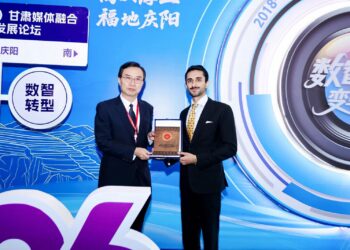
The agreement was signed during the 2026 Hunan International Friendship Cities Economic and Trade Exchange Event and Cooperation Dialogue, held in Changsha from September 18 to 20. The wider event brought together more than 120 government and business representatives from nearly 20 countries and regions, alongside representatives from more than 150 Hunan enterprises.
For Pakistan, the talks offered a more targeted route into Hunan’s manufacturing and investment network, with discussions covering agriculture, mineral development, manufacturing, trade and investment.
From City-to-City Ties to Industrial Cooperation
The Loudi-Gujrat relationship is significant because both cities already have established industrial bases, although in different areas.
Gujrat is one of Punjab’s established manufacturing centres. The district government identifies furniture, electrical goods, electric fans, motors, sanitary ware, footwear and other manufacturing activities among its industrial strengths. The Competition Commission of Pakistan says Gujrat has 362 electrical fan-making units, alongside 137 pottery units and 784 furniture factories.
The Punjab government has also identified fan manufacturing, ceramics and furniture as the core industries of Gujrat’s Small Industrial Estate. In April 2026, the federal government described the fan industry as a largely indigenous manufacturing sector with around 300 manufacturers concentrated in Gujrat and Gujranwala.
That industrial base gives the partnership a practical starting point: technology, machinery, manufacturing processes and access to Chinese markets can be discussed against existing Pakistani production capabilities rather than from scratch.
Hunan Brings a Wider Industrial Network
Hunan’s industrial reach provides another part of the equation. According to figures presented at the September matchmaking event, Hunan enterprises have invested in 115 countries and regions, with overseas assets exceeding $17 billion. The province identifies agriculture, construction machinery, rail transit, energy and power, biomedicine, light manufacturing, mineral-resource development and infrastructure construction among its major areas of international cooperation.
The conference therefore went beyond the signing ceremony. Pakistani and international representatives held discussions with Hunan companies involved in construction machinery, rail transit, energy, biomedicine and infrastructure.
Punjab Industries, Commerce and Investment Minister Chaudhry Shafay Hussain invited Hunan companies to establish manufacturing operations in Punjab and highlighted opportunities in livestock, tourism, surgical instruments, fan manufacturing, ceramics and handicrafts. He also presented CPEC as a platform through which Hunan enterprises could explore investment and business opportunities in Pakistan.
A Localised Dimension to CPEC 2.0
The city-level relationship fits into the broader direction of CPEC Phase II, where industrial cooperation and private-sector participation have gained greater importance.
The September 2025 14th Joint Cooperation Committee described Phase II around five broad corridors covering growth, innovation, green development, livelihood and regional connectivity. Industrial cooperation, Special Economic Zones, agricultural modernisation, mining and connectivity projects were placed within that wider framework.
For Punjab, partnerships such as Loudi-Gujrat can provide a more localised channel for that agenda. Instead of relying only on national-level investment agreements, provincial and city authorities can identify specific industrial clusters, companies and technologies that match local production capabilities.
That distinction matters because an agreement does not automatically create investment. The economic value will depend on whether discussions produce joint ventures, machinery investment, technology transfer, local supplier relationships and export-oriented production.
The Relationship Is Already Evolving
The latest LOI also comes against the background of earlier cooperation between the two cities. In July, the Associated Press of Pakistan reported that Loudi and Gujrat had signed a sister-city MoU in Lahore covering economic development, trade, investment and cultural exchange. The September event therefore appears to represent another formal step in a relationship that has been developing through successive engagements.
The challenge now is implementation. For Gujrat, Chinese investment could bring new technologies and international market connections into established industries. For Hunan companies, Punjab offers an industrial base, a large domestic market and access to the wider Pakistani economy.
The partnership will ultimately be judged less by the number of documents signed than by what emerges from them: new production lines, stronger suppliers, better technology and products that can compete beyond Pakistan.
Read More Articles:
China Condemns KP Attack, Backs Pakistan
Iranian President Calls for Stronger Pakistan Ties
Polio Campaign Targets 35,664 Children in Gwadar